The magic of wine is seductive: rolling vineyards, your name on a label, and the intoxicating idea of calling yourself a vintner. And once the wine bug bites, it is hard to resist.
For those with deep pockets, making the leap may be easy; making it work is something else entirely.
As the old saying goes, to make a small fortune in wine, you must start with a large one. Starting a winery, building a brand, and making it profitable, especially in today’s challenging wine market, is no small feat. Yet that is exactly what Bill and Julie Lapp are doing in Paso Robles with Mid•Point Winery.
They did not set out to become vintners.
In fact, the whole thing was “kind of a not-on-purpose accident,” as Bill puts it. Today, they own two vineyards, two wine brands, and are building a business that combines old-school farming values with Bill’s practical approach to making the numbers work.
From Tech Roots to Paso Robles Vineyards
Bill’s journey began far from the vineyards of Paso Robles. Raised in Maine, he worked as an engineer for a California tech company.
Tired of the rent-hotel-rent cycle and dreaming of living on a boat, he bought one during the 2008 financial crisis with plans to dock it in San Francisco. Around the same time, he met Julie, a Bay Area native who would become his wife.
After marrying, they split their time between the Bay Area and a cottage Bill had renovated in Maine. When he sold the cottage, they hoped to reinvest in California real estate. The Bay Area proved too expensive, so they started looking along the Central Coast, eventually landing in Paso Robles, drawn by its affordability and climate.
An Airbnb with Vines…and Then Some
Bill’s original plan was straightforward. They would buy a property, plant vines to beautify it, and rent it out on Airbnb. A self-described “tech geek,” he started researching how vineyards operate and realized that if they planted enough vines, they could sell the fruit and potentially break even.
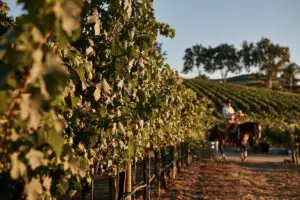
In 2016, they purchased Hollyhock Vineyard, a 10-acre property with Grenache and Mourvèdre vines, cottages, and a 1940s farmhouse. The fruit was already under contract to Tablas Creek, providing steady income while they focused on the Airbnb business.
Then guests started asking if they could buy wine.
So Bill and Julie decided to make a small batch of their own. Of course, this is how it always starts.
Expanding Into Historic Territory
By 2020, their interest in wine, and their production, had grown. They acquired Rotta Winery, one of Paso Robles’ original wineries, dating back to 1908.
Their initial plan was to lease the facility. When the pandemic hit, those plans changed, and industry peers encouraged them to build a brand of their own. Bill and Julie went for it.
Within months, they launched two labels: Mid•Point, focused on approachable, balanced wines priced around $50, and Radial, a premium $100 line focused on more complex, age-worthy wines.
What had begun with an Airbnb and a few vines was becoming a real wine business.
Sustainability and the Long Game
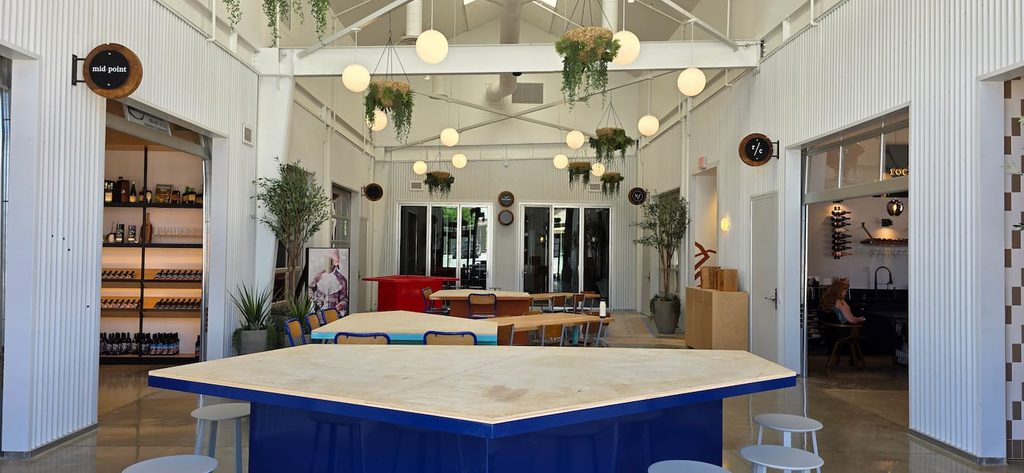
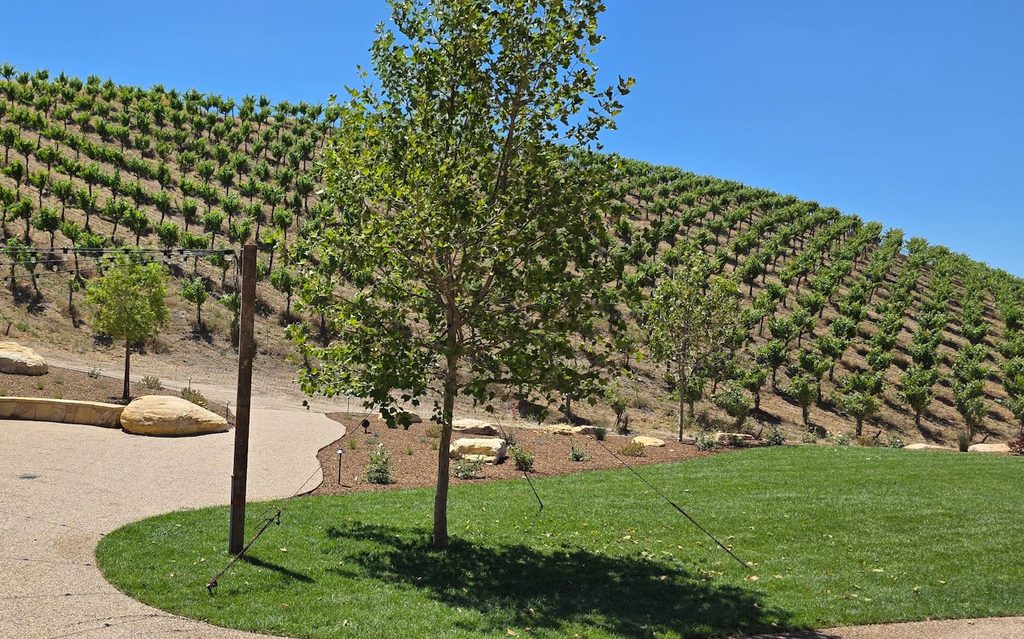
At Rotta, Bill replanted 7,000 head-trained Rhône vines by hand after removing Zinfandel vines damaged by phylloxera. Hollyhock Vineyard was already certified organic, and he converted the entire Rotta property to organic farming as well. They have planted orchards to attract beneficial insects, installed beehives, and reuse materials wherever possible.
Bill sees this as a 50-year commitment, not a short-term investment.
“We’re not building this to sell it,” he says. “We want to create jobs, offer fair wages, and make the business sustainable.”
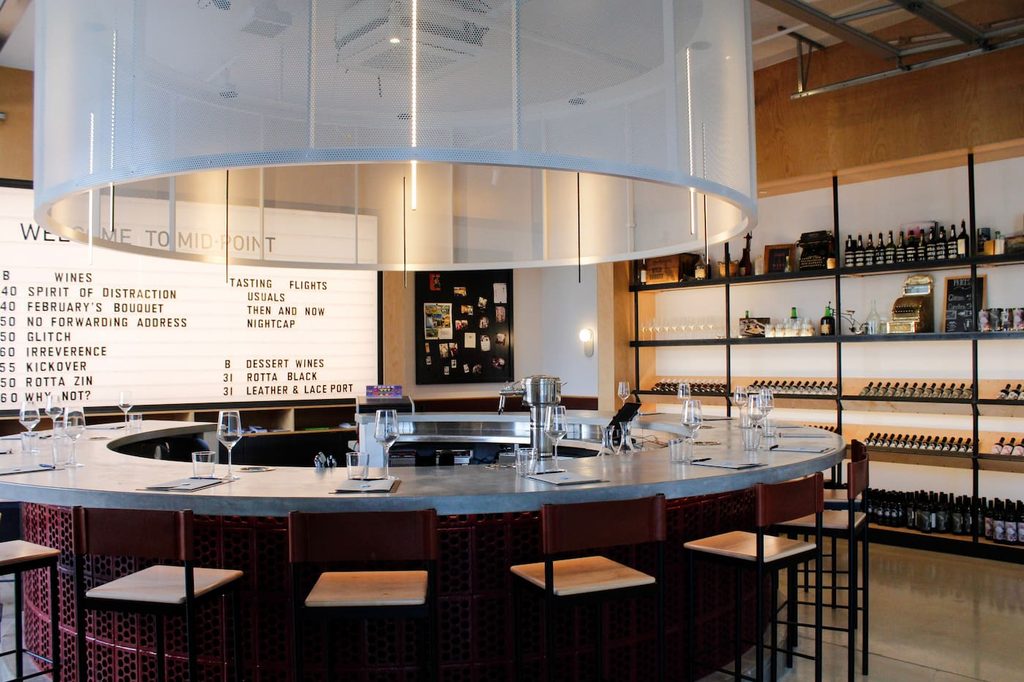
It is an ambitious outlook for someone who never intended to own a winery in the first place.
It may also explain the way Bill approaches it. He came to wine as an engineer, asking questions, studying how things worked, and figuring out what made sense before moving on to the next thing.
Reimagining the Wine Experience
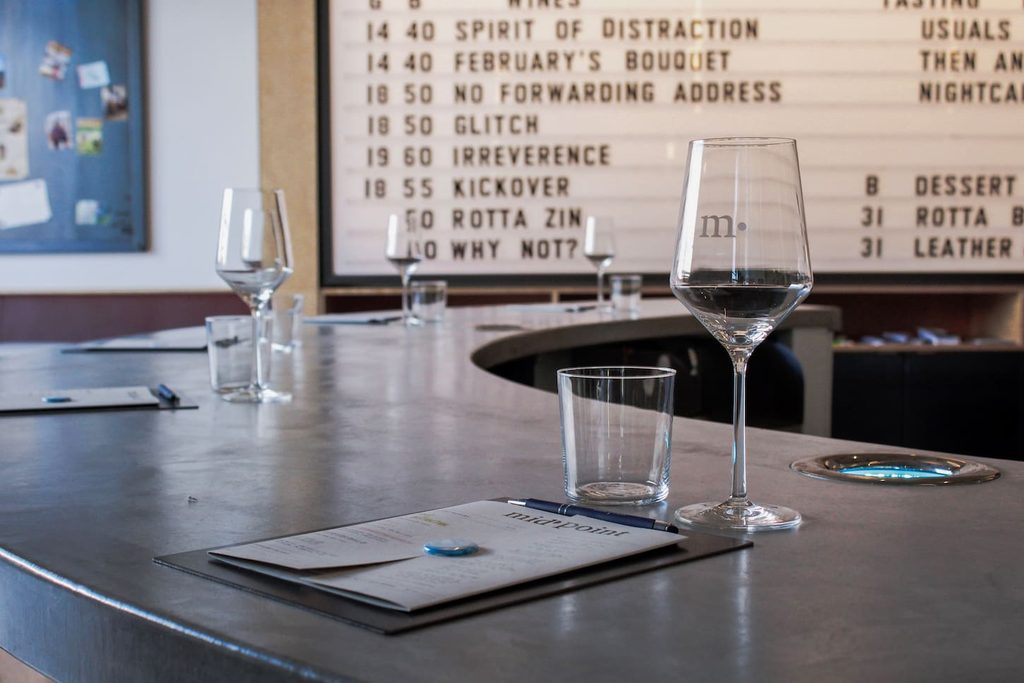
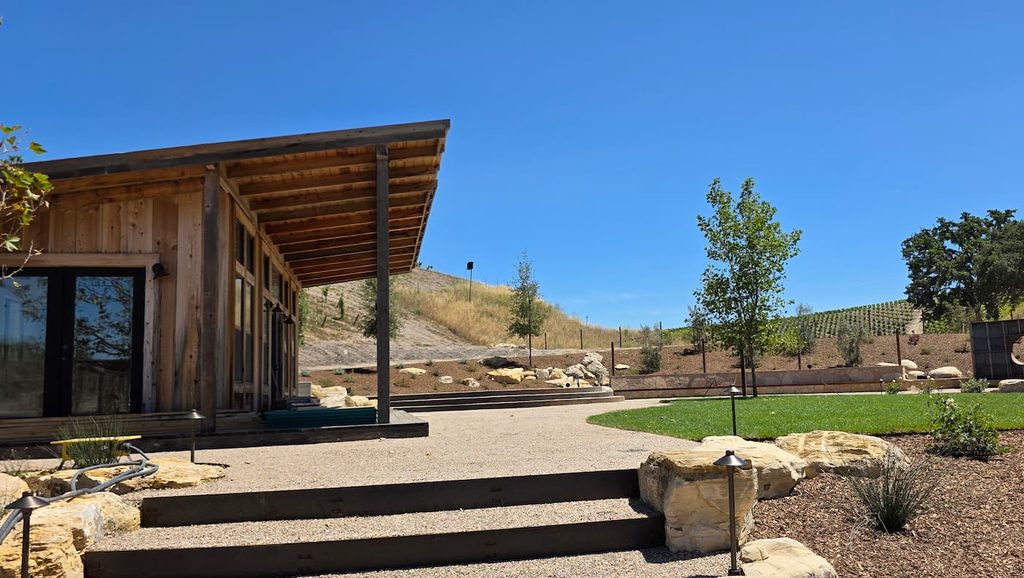
That same thinking extends beyond the vineyard. The Rotta property is being developed as a place where families can spend time, with bocce courts, an amphitheater, fire pits, a vegetable garden for guests, and play areas for children.
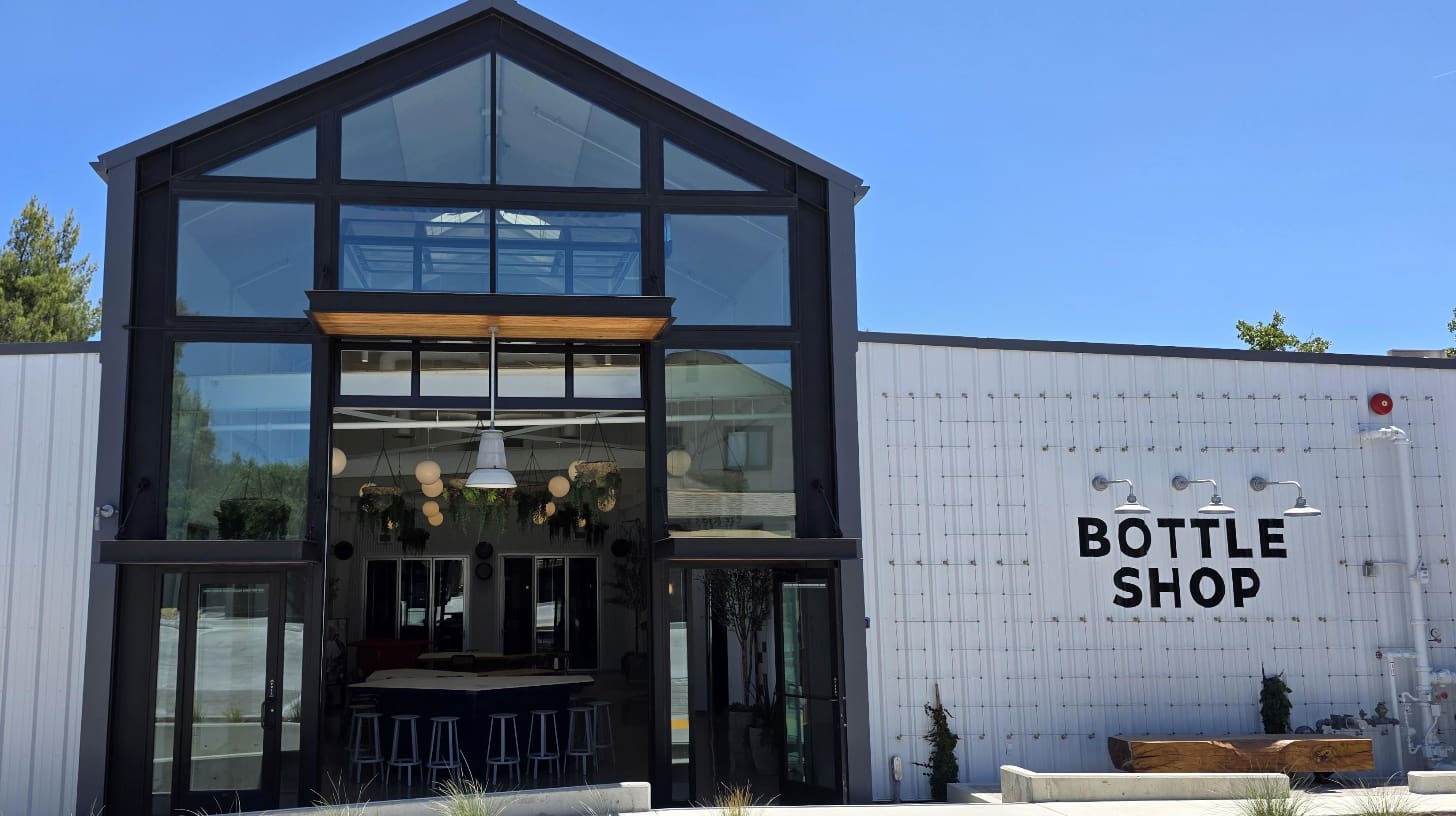
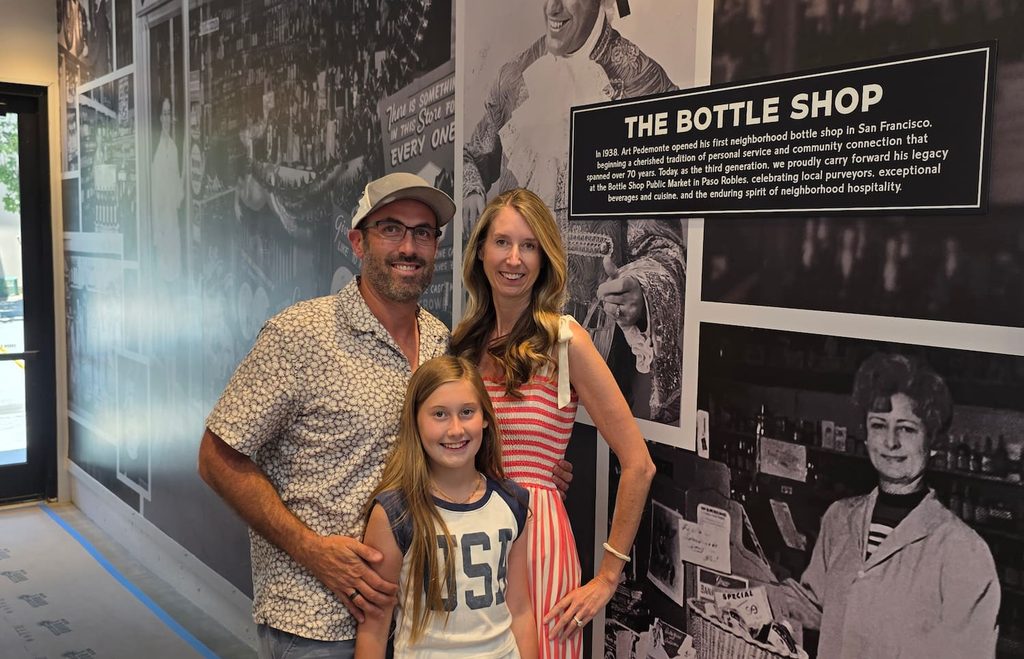
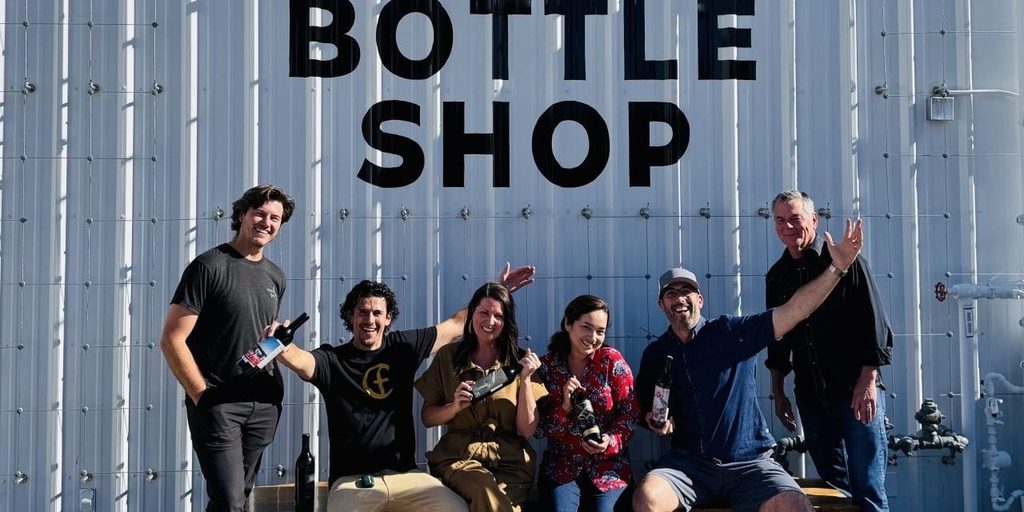
In downtown Paso Robles, their Bottle Shop has a more personal connection. The name pays tribute to the neighborhood liquor stores in San Francisco that Julie’s grandfather owned for 80 years.
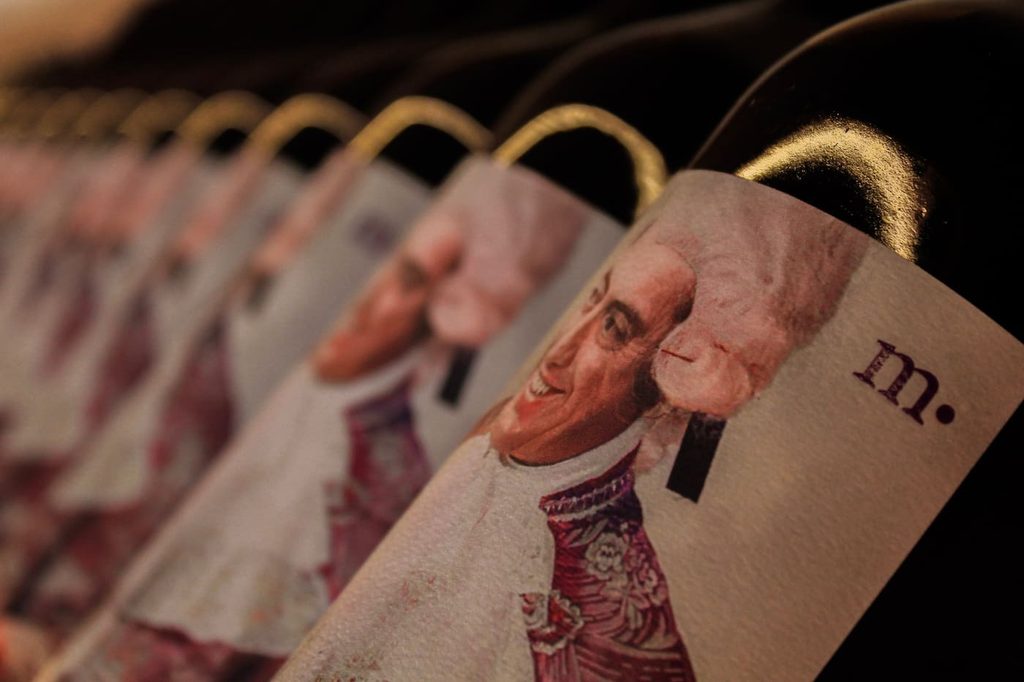
Inspired by the communal atmosphere of European food halls, Paso Bottle Shop brings together four wineries, two restaurants, and a brewery around a shared space where visitors can order a bottle from one producer, food from another vendor, and settle in for the afternoon.
They have even taken a different approach to the wine club. Instead of relying solely on traditional shipping, wines are stored in cages and packaged in reusable wooden boxes. With 80 percent of their wine club members living within an hour of Paso Robles, the team personally delivers much of the wine, often in conjunction with wine dinners and special events.
It’s an unusual model, but then again, very little about the Lapps’ path into wine has followed the usual script.
The Magic and the Math
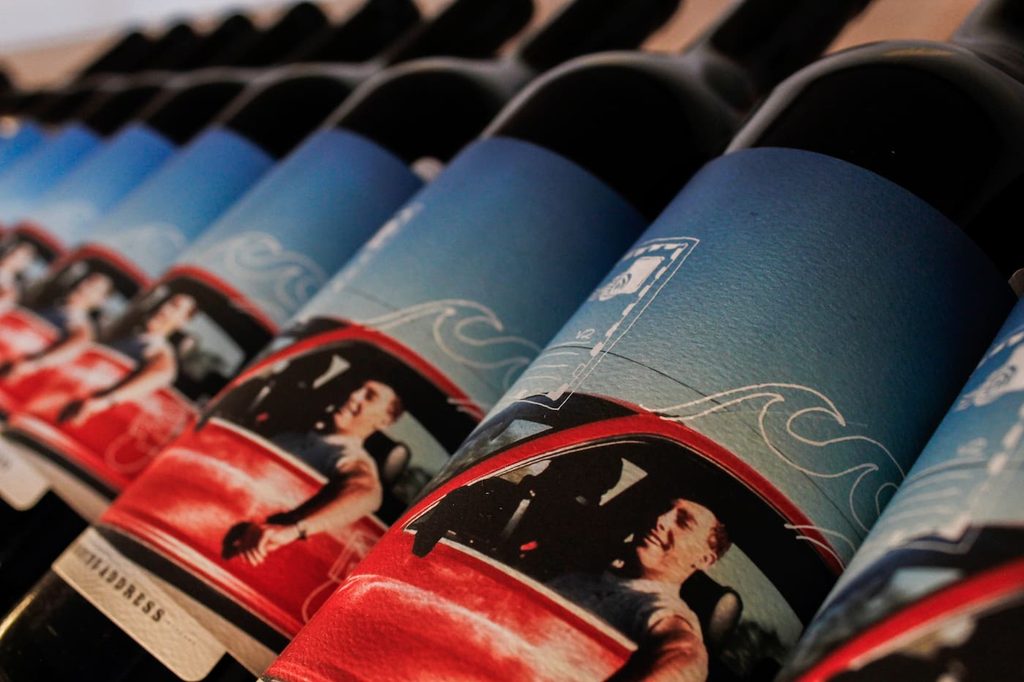
There is a certain romance to owning a winery, and Bill Lapp is hardly immune to it. But talk to him about Mid•Point and the conversation inevitably comes back to how things work: what the vineyard costs, how the property can support itself, how to keep customers close, and how to build something that will still be here decades from now.
Perhaps that comes from being an engineer. Or perhaps it comes from entering the wine business without ever intending to enter it at all.
What began as a plan to buy a property, plant some vines, and run an Airbnb has become two vineyards, two wine brands, a tasting destination, and a business Bill and Julie hope will outlast them.
There is still plenty of magic in that. Bill just likes the math to work, too.

Allison Levine is the owner of Please The Palate, a boutique agency specializing in marketing and event planning for the wine and spirits industry. With over 15 years of experience in communications, marketing, and event planning, Allison is passionate about the world around her and the diverse people in it. Allison is a freelance writer and contributes to numerous publications, as well as her blog at www.pleasethepalate.com. She is the host of the podcast WineSoundtrack USA where she interviews winemakers and winery owners who share their stories, insights, and some humorous anecdotes. She also co-hosts a wine video series on YouTube called Crush On This. Allison holds a master’s degree in International Communications with a focus on cross-cultural training from the American University School of International Service. She also holds a WSET Level 3 Certificate from the Wine & Spirits Education Trust (WSET) and is a member of the Circle of Wine Writers.