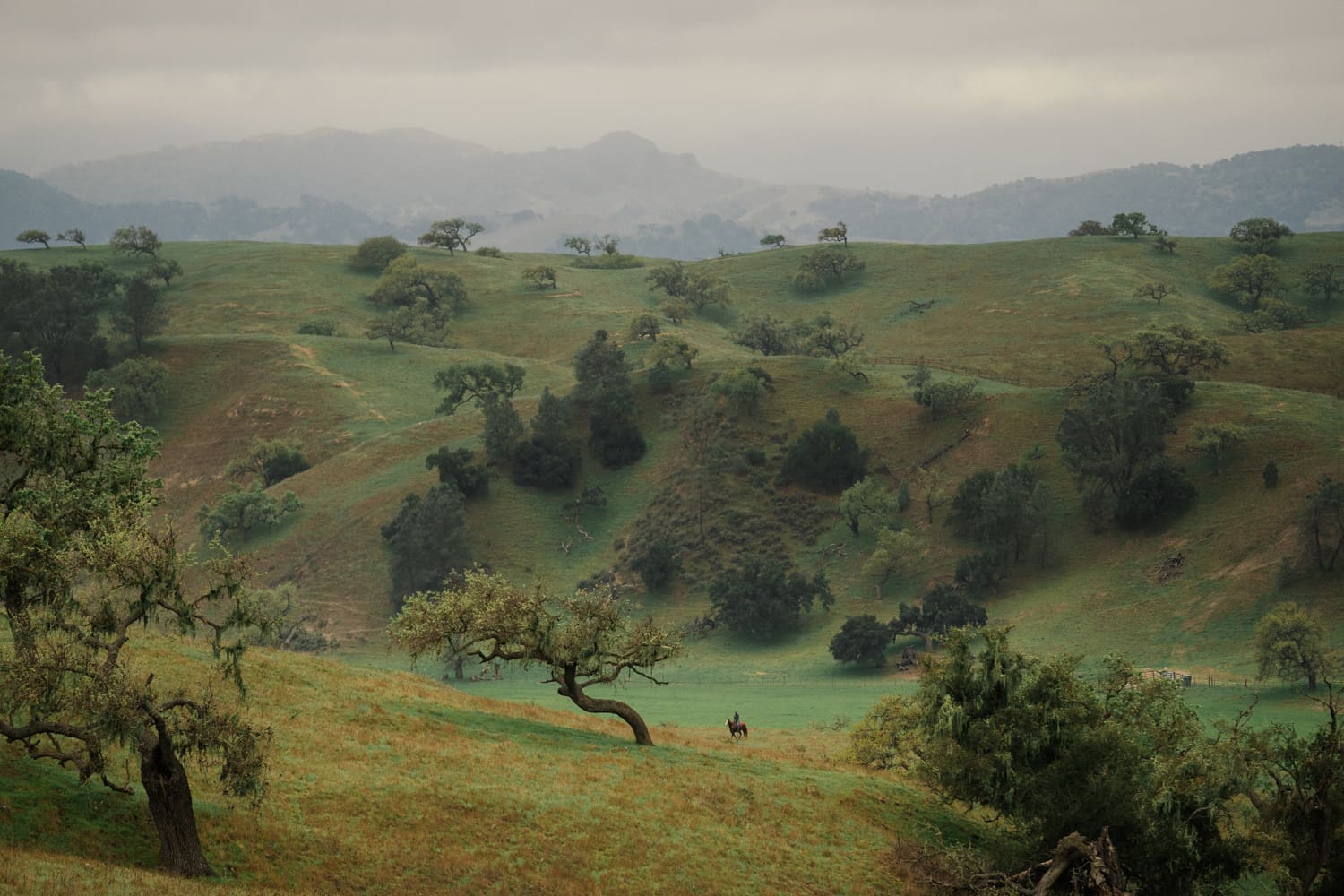
Located in the majestic Figueroa Highlands of Santa Barbara County, the Kiani Preserve is much more than a ranch. The 8,000-acre dream of founder Joe Kiani is a sanctuary that protects and preserves nature and the land, while offering the kind of indescribable beauty only “Mother Nature” can create. It is also home to one of California’s most exciting new vineyards and wineries, which will be debuting its inaugural trio of wines next year.
Joe Kiani is a medical technology entrepreneur who has dedicated his life to protecting and enhancing the lives of millions by inventing lifesaving technologies. At the Kiani Preserve, where the flora, fauna, earth, and vines exist in a self-sustaining and symbiotic harmony, Joe’s work echoes his mission in healthcare to protect and preserve life.
Throughout his career, Joe’s mission has been both technical and humanitarian, with the goal of improving patient monitoring and reducing preventable harm in hospitals. In 1989, this led him to found Masimo, a pioneering medical technology company that developed numerous innovations that today are used to monitor millions of patients around the globe. Under his leadership, Masimo helped redefine standards of care. He also founded the Patient Safety Movement Foundation with the ambitious goal of eliminating preventable patient deaths worldwide. For Joe, Masimo was more than a business; it was his way of improving the world for future generations.
At the Kiani Preserve, this philosophy has found a new expression.
The Vision of The Preserve
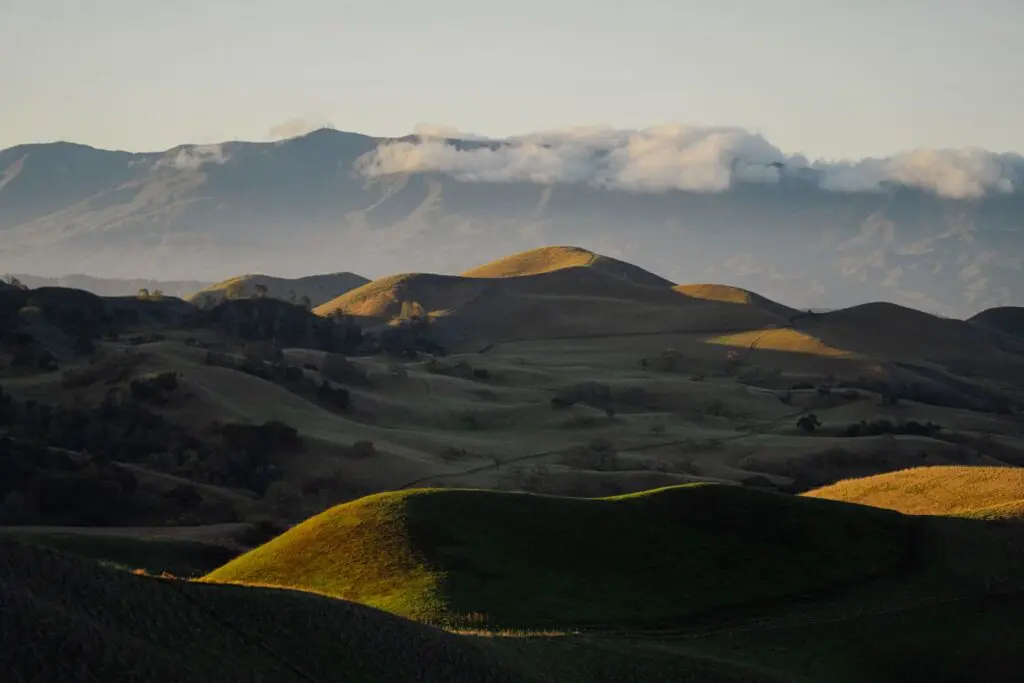
Taking inspiration from his childhood roots, Joe and his wife, Sarah, wanted a piece of land that they could nurture and preserve for future generations. They envisioned a property that could ultimately be self-sustaining and be a model for others in its holistic approach to the environment. When they discovered the land that would become Kiani Preserve, they saw both extraordinary beauty and untapped potential.
But there was a deciding factor. At the time, the wild, untamed property was at risk of being subdivided into numerous parcels for development. The Kianis chose a different future for the land. They acquired not only the core property but also reconnected adjoining pieces to keep the land intact as a single 8,000-acre ecosystem. As Joe said, “We didn’t want to see it broken apart. The land made more sense as a whole.”
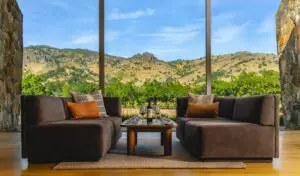
When they purchased the land in 2012, they thoughtfully named it a “Preserve,” a name intended to convey their commitment to stewardship and sustainability, including keeping the vast majority of the land undeveloped and in its natural state. Touring even a small fraction of this 8,000-acre ranch is difficult to describe adequately. The first thing that struck me was the immensity. Literally, as far as you could see, spanning 360 degrees, it was all one property. The far-off hills, the ravines, the valleys, the flora, and the buildings are all seamlessly part of the preserve.
An Agricultural Shangri-La
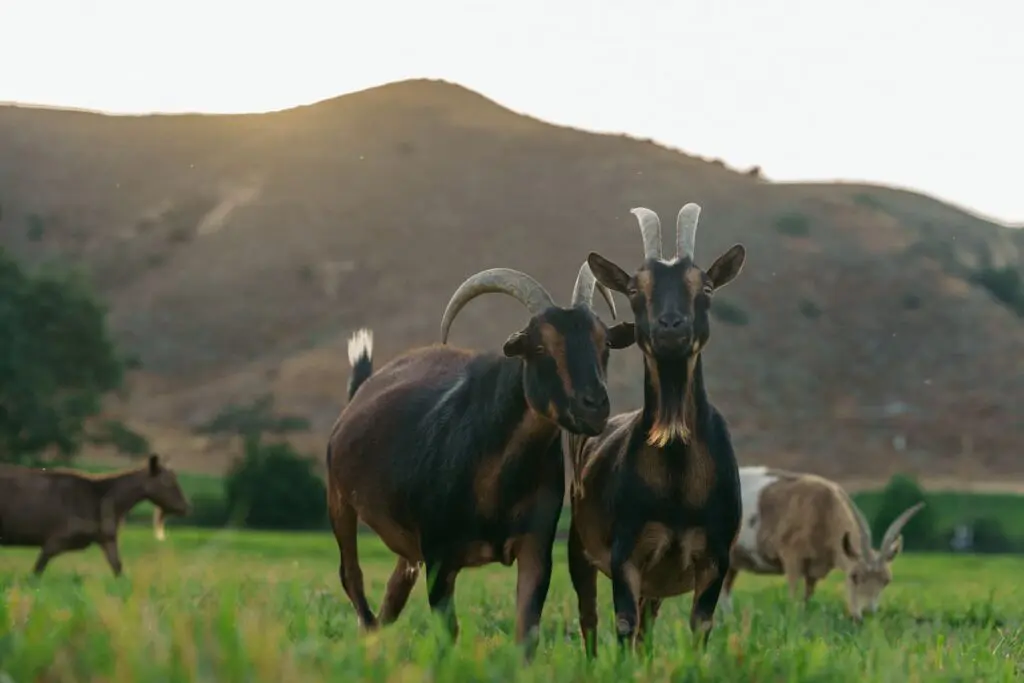
The Kiani Preserve is a cattle ranch and a farm full of life and history in every direction. The oldest barn on the ranch is nearly 100 years old and is still being used for agricultural operations today.
The area is filled with wildlife, including deer, foxes, coyotes, bobcats, and black bears. In the air above and in the branches of trees are birds of prey, owls, golden eagles, songbirds, and more. It is a preserve of harmony sustained by healthy land and those who oversee it.
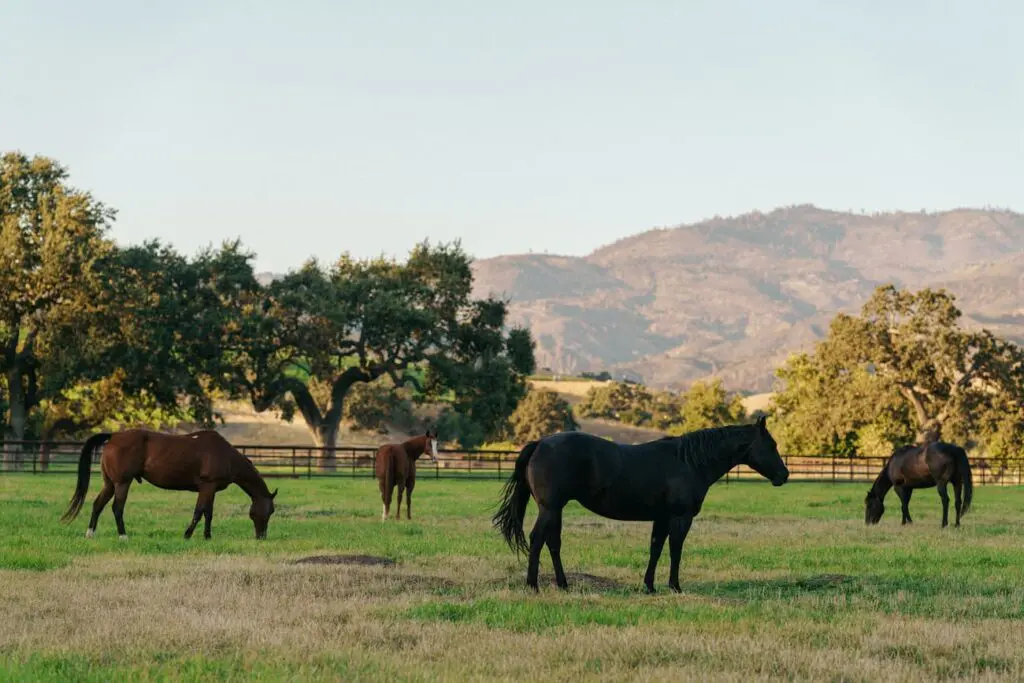
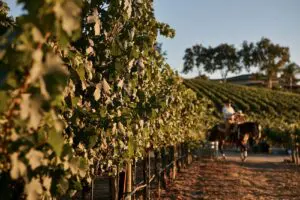
Herds of cattle are tended by cowboys on horseback, not by drones or mechanical devices. The ranch raises American Wagyu beef, which is sold to select restaurants and specialty grocers.
There are chickens, from which eggs are harvested; 3,000 olive trees, which supply Kiani’s organic olive oil; stone-fruit trees; beekeeping hives; and vegetable gardens. There is even an agave grove, from which distilled agave spirits will be produced in about 10 years.
Head horticulturist Sonia Freeman brings extensive experience in organic and regenerative farming to the preserve, where both practices guide agricultural work. Ranch-raised beef, vegetables, lavender, and fruit, including figs, pomegranates, and persimmons, are sold at farmers’ markets in Los Alamos, Buellton, and Orcutt, with plans to expand.
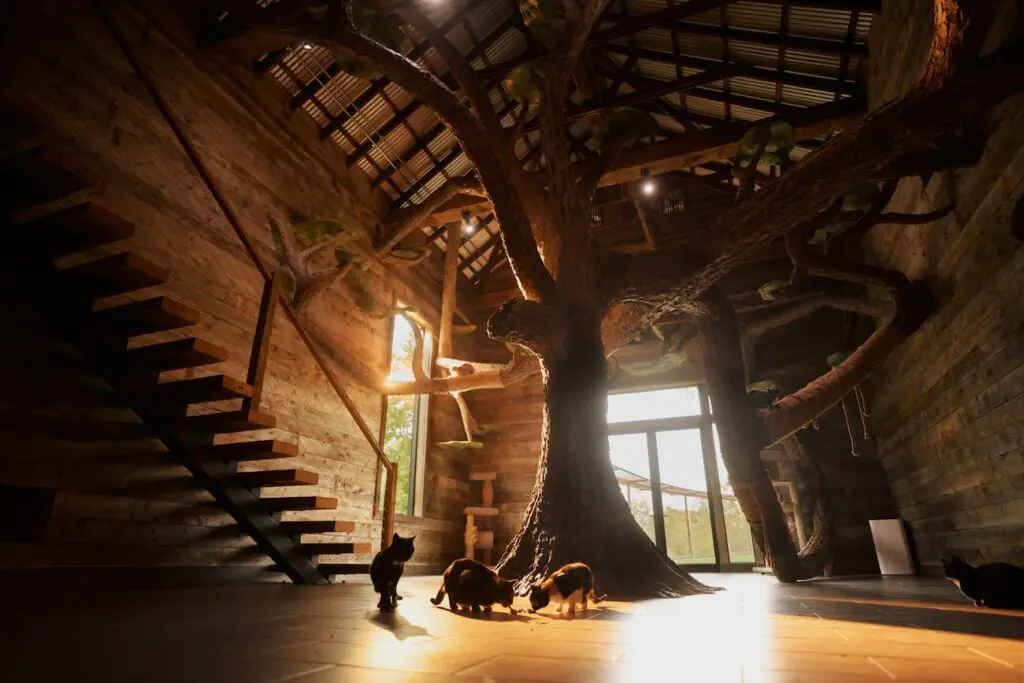
The preserve also has a “cat barn,” where rescued cats live out their days in comfort, and an “old age” coop for chickens that no longer lay eggs. The latter has even attracted some older wild turkeys.
And then there are the vineyards.
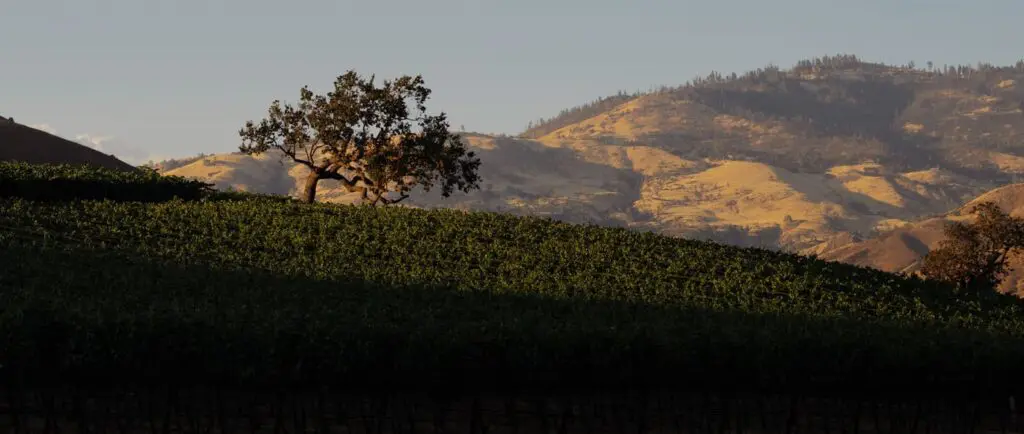
At the heart of the ranch lies the Kiani Preserve Vineyard, a 100-acre tapestry of 43 individual blocks of grapevines planted as high as 1100 feet. Some are on west-facing slopes; others on east-facing hillsides. Each aspect feels the sun and the wind differently.
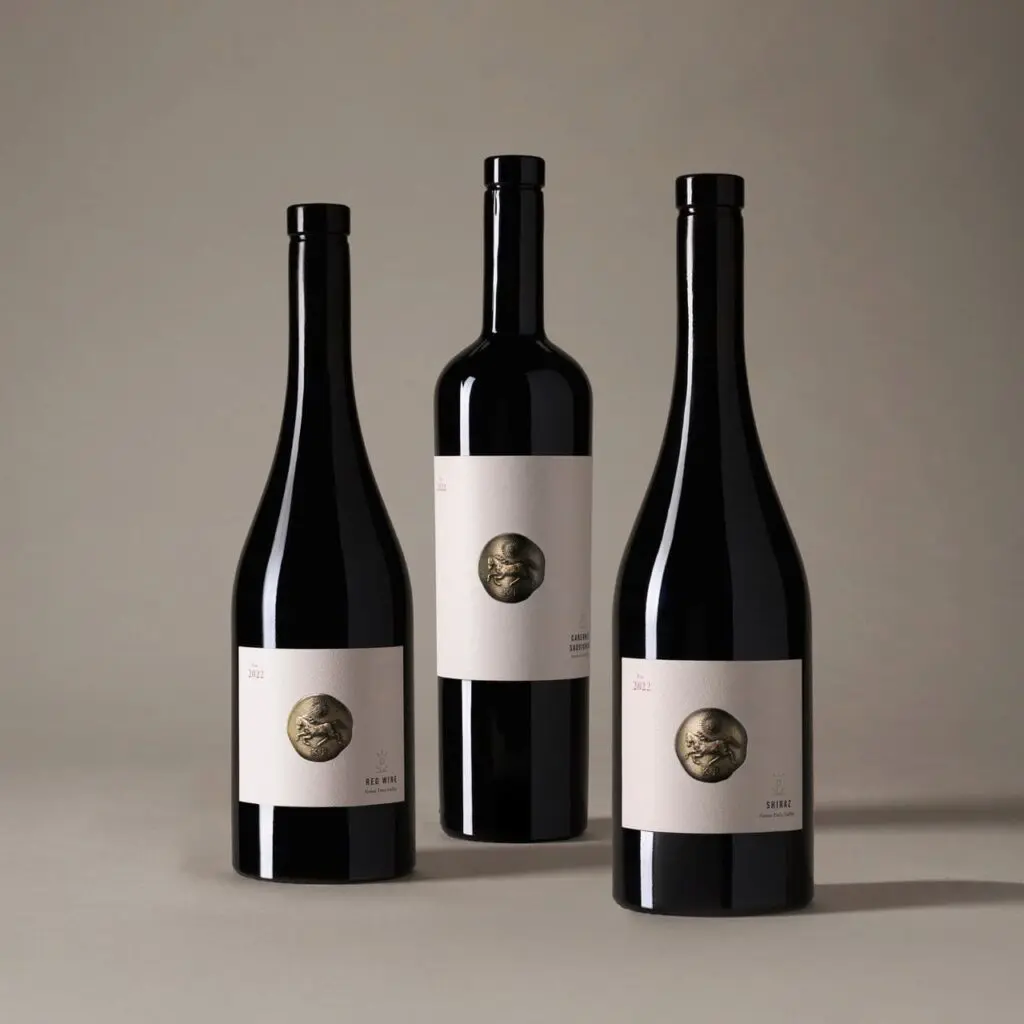
Of the grapes grown here, predominantly Cabernet Sauvignon and other Bordeaux red grapes, as well as Shiraz, only a small percentage of the very finest have been used to craft Kiani Preserve’s debut lineup of wines. These sophisticated wines blend the best of modern California wine with the mystery and allure of the Old World.
The Fruit of the Vine
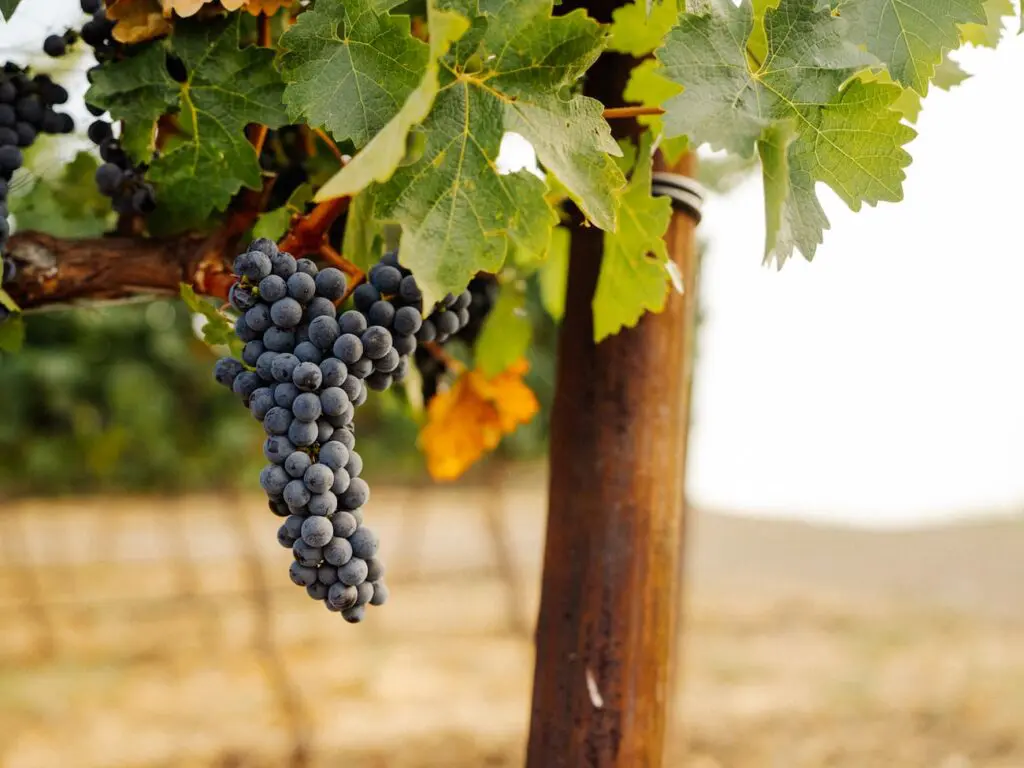
At Kiani Preserve, the vision is to respect the land while preserving and sustaining it so that it will endure and can be enjoyed now and by future generations. While working toward this vision, a task he says will always be ongoing, Joe saw wine as the missing piece of the puzzle. But, as with anything he puts his hand to, Joe wanted to do it the right way: with minimal intervention, while embodying the unique and fascinating character of the property.
To realize this vision, Joe engaged acclaimed winemaker Adam Henkel, who spent eight years as part of the team at Napa Valley’s renowned Harlan Estate, and later served as winemaker for seven years at the respected Crown Point Vineyards in the Santa Ynez Valley. Adam was exactly what Joe wanted: a hands-on leader with the wisdom and experience to help the vineyard achieve its full potential, and a gifted winemaker who could gently guide the fascinating terroir of the preserve to its fullest expression.
For Adam, joining Kiani Preserve and the opportunity to plant a vineyard from the ground up were a dream come true. With a literal blank slate, he personally selected the grape varieties, clones, and rootstocks, as well as the planting sites. He also embraced harvesting without machinery and a winemaking philosophy dedicated to creating wines that express the land with clarity, texture, and grace. How many winemakers today have the opportunity to create their wine vision from the ground up, from planting the vines to a fine finished product ready to go into the bottle?
The Santa Ynez Valley AVA is unique in this generally cool-climate region because it is the most inland and has the warmest temperatures. Combined with mineral-rich, rocky soils, it is an ideal location for growing Bordeaux varietals and Sauvignon Blanc. The alluvial soil, with its natural drainage, produces high-quality grapes that are richly concentrated in flavor and texture. The vines must stress themselves, digging deep for nutrients, and the result is grapes with high tannins and exceptional flavor characteristics.
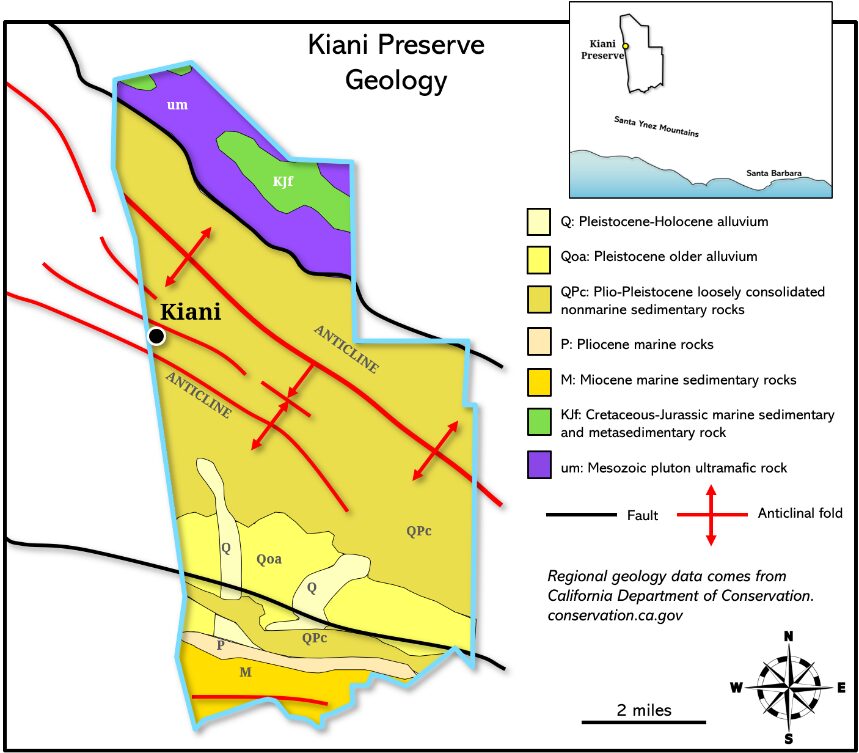
Geologist Ben Schupack explains how the preserve’s rocky terrain and sheltered location shape its growing conditions:
“The Kiani Preserve lies within the structurally complex fold-and-thrust belt of the eastern Santa Ynez Mountains, where tightly folded and faulted strata are exposed. The gravelly, fractured rock at the surface provides a well-drained environment that favors deeply rooted vines.”
“The Figueroa Highlands are an upper elevation pocket in the easternmost portion of the Santa Ynez Valley. Climatically, it is one of the warmest subregions within Santa Barbara County due to the coastal range mountain ridges partially shielding the direct marine influence.”
Hired in 2020, Adam oversaw the entire planting process, with vines established throughout 2020, 2021, and 2022. While the vineyard includes several small blocks devoted to Sauvignon Blanc and Vermentino, as well as Sangiovese and Tempranillo, the area is particularly ideal for Cabernet Sauvignon.
To explore multiple expressions of the grape, more than half of the Kiani Preserve Vineyard has been planted to Cabernet Sauvignon, including 15 different clones. There are also smaller plantings of Merlot, Cabernet Franc, Petit Verdot, Malbec, and Carménère. Together, these plantings form the foundation of what is, at its heart, a Cabernet Sauvignon-focused estate.
Although Adam had full autonomy over the vineyard and wine program, Joe did have one requirement. Shiraz was to be one of the key wines of the Kiani Preserve wine program, both as a standalone wine and as a core element, along with Cabernet Sauvignon, in the Kiani Preserve Estate Red Wine.
From Shiraz to Santa Barbara
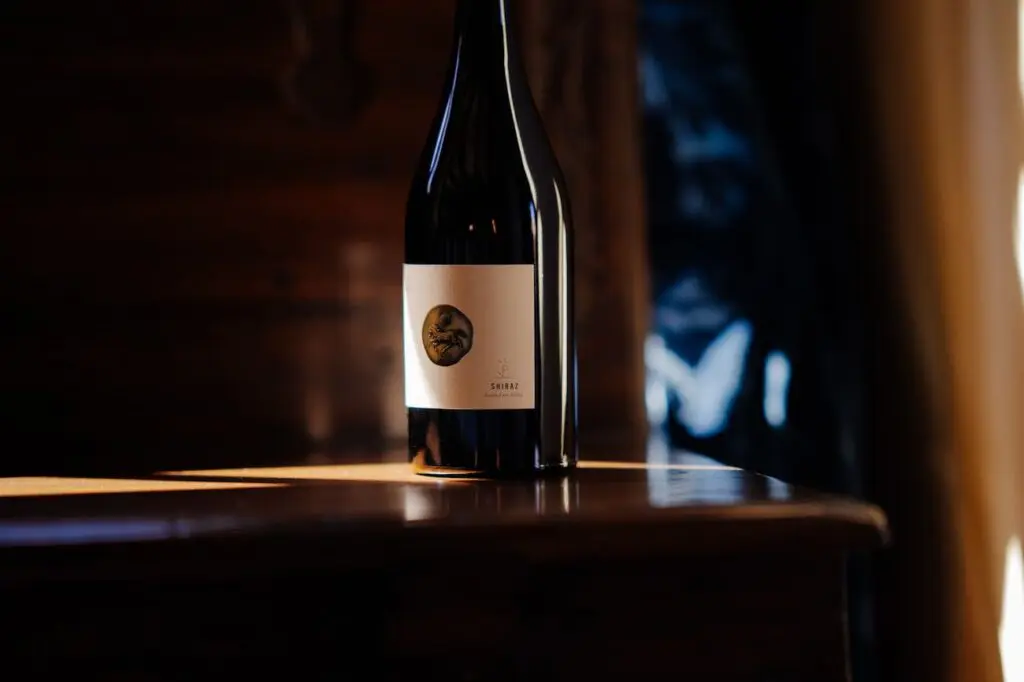
Though Joe immigrated to the United States when he was young, he was born in Shiraz, Iran, a city with a winegrowing tradition going back thousands of years. When I asked him if his focus on specifying Shiraz as one of the grapes he wanted to grow and calling it Shiraz instead of its more common name, Syrah, was his way of paying homage to his birth city. His answer was a simple “yes.”
Historically, the city of Shiraz was a major wine-producing center in the region. Although there is no genetic relationship between the grapes of Shiraz and today’s modern Shiraz/Syrah, the area was heavily dedicated to viticulture and agriculture. The influence of the land, which was so important to Joe as he was growing up, became ingrained in his DNA. This appreciation for the natural world and the seasonal cycles of agriculture ultimately led him to establish the Kiani Preserve. There, Joe and Sarah saw more than beauty. They saw purpose and proceeded to plant a vineyard in harmony with the land that would showcase what could be achieved by producing great wines from a terroir that is respected, protected, and nurtured to its full promise.
To my knowledge, with all the Syrah grown in California, there are few, if any, labeled Shiraz, making the Kiani Preserve Estate Shiraz unique in both name and quality, and an homage to 5,000 years of history.
The Debut of Kiani Preserve
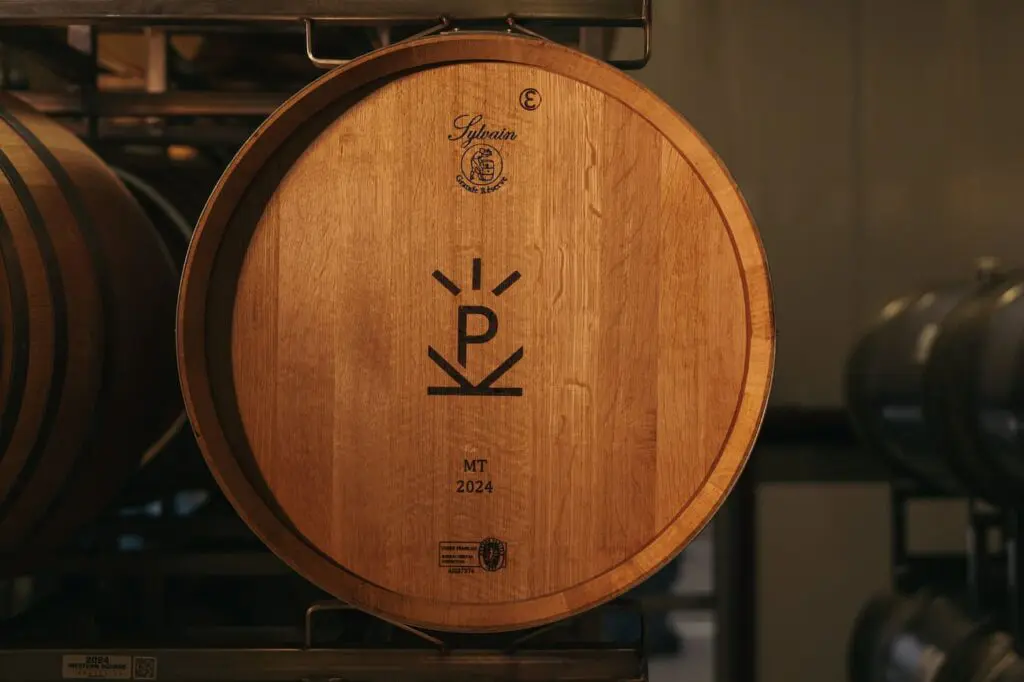
Kiani Preserve will make its debut with its wines from the exceptional 2022 growing season. This highly anticipated release will take place in the spring of 2027. This is exactly what both Joe and Adam envisioned: the highest-quality estate grapes grown to produce the best possible wines.
At the winery, Adam has no fixed aging protocol. If a wine needs more or less time in barrel, it gets exactly that. Every decision is intentional, and nothing is compromised. While still young, the 2022 Kiani Preserve Estate Cabernet Sauvignon, Kiani Preserve Estate Shiraz, and Kiani Preserve Estate Red Wine already show lovely charm and generosity, with the underlying structure and complexity to ensure they will age beautifully for years to come.
Having had the opportunity to taste several wines from the 2022 and 2023 vintages (including a delicate, delightful Sauvignon Blanc), I was impressed by how the wines presented. They were already very approachable, without harsh tannins, and balanced in a way that made them, well, “yummy.” The elegance and finish were features I look for. Having the opportunity to speak with Adam (the winemaker), knowing his background and forward-looking plans, I’m excited not only to try these again upon release, but also to taste them as they age. These will be wines to watch.
Ultimately, it is the wines from these 100 acres, plus the sale of the preserve’s grass-fed Wagyu/Black Angus beef, and other agricultural products, that will make this 8,000-acre property self-sustaining.
The Tasting Room Will Be More Than a Tasting Room
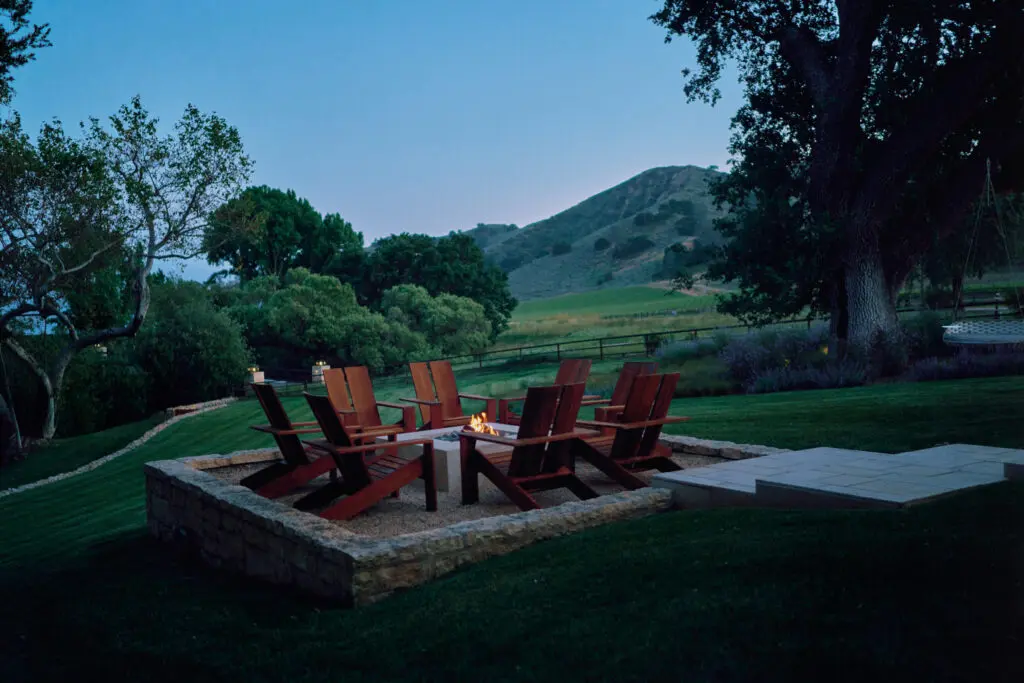
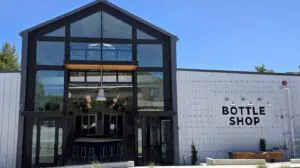
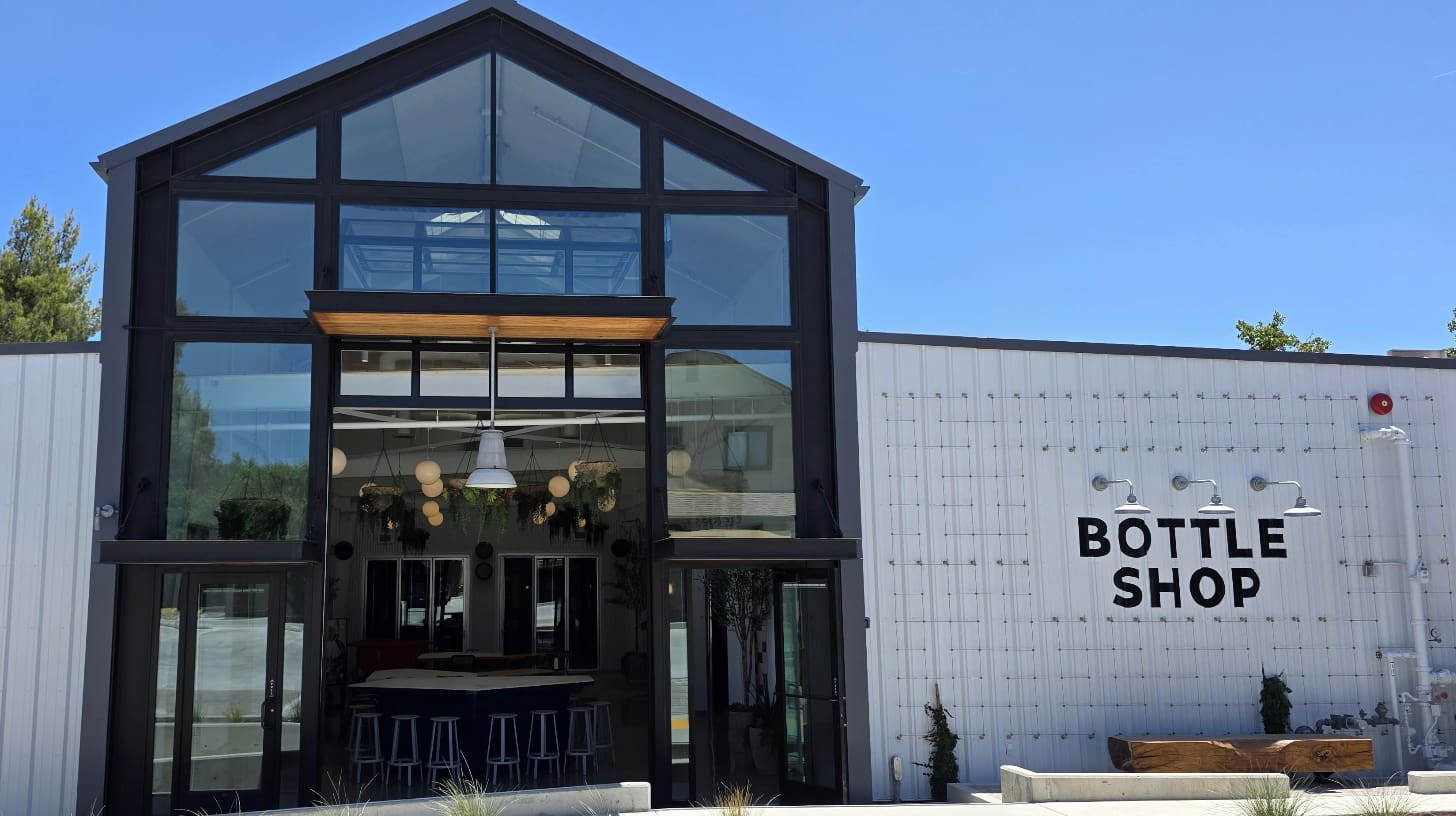
While the Kiani Preserve is a private ranch and not generally open to the public, the team is currently building a public home for Kiani Preserve in the heart of Los Olivos, with the unveiling roughly timed to coincide with the debut release in spring 2027.
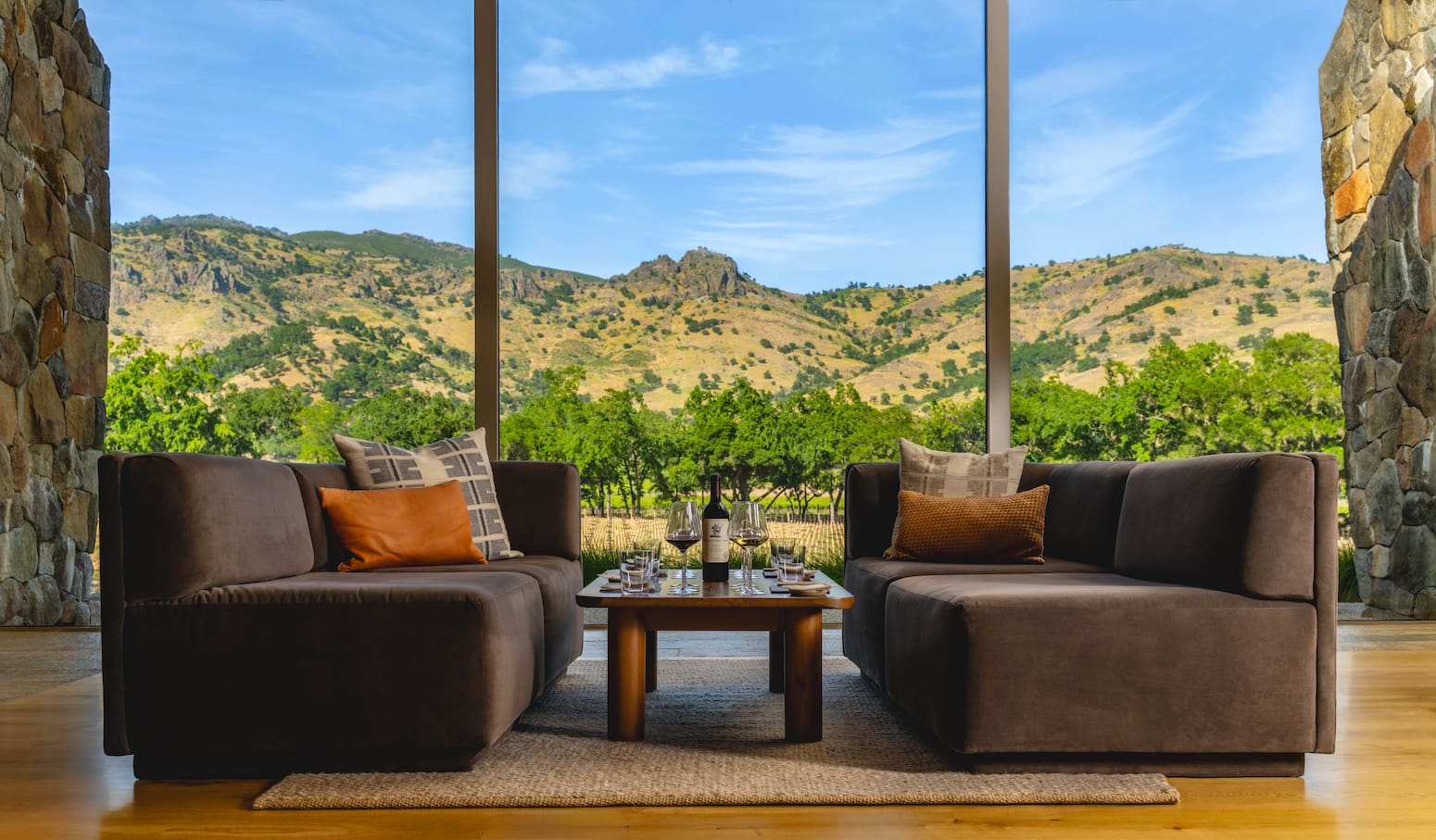
Designed by renowned interior designers Alexandra and Michael Misczynski and located in a restored historic building, Kiani Preserve Los Olivos will feature stunning indoor and outdoor seating areas for tastings, as well as a retail store featuring provisions from the Kiani Preserve, such as honey, olive oil, fresh produce, and eggs, to name a few.
Visitors will be able to purchase farm-to-table agricultural products alongside wines that promise to be among California’s finest. Much like the preserve itself, the Los Olivos tasting room will be more than a place to enjoy a glass of wine. It will offer an opportunity to experience the broader vision behind Kiani Preserve and to connect with the land through the products it yields.
A Vision Worth Preserving
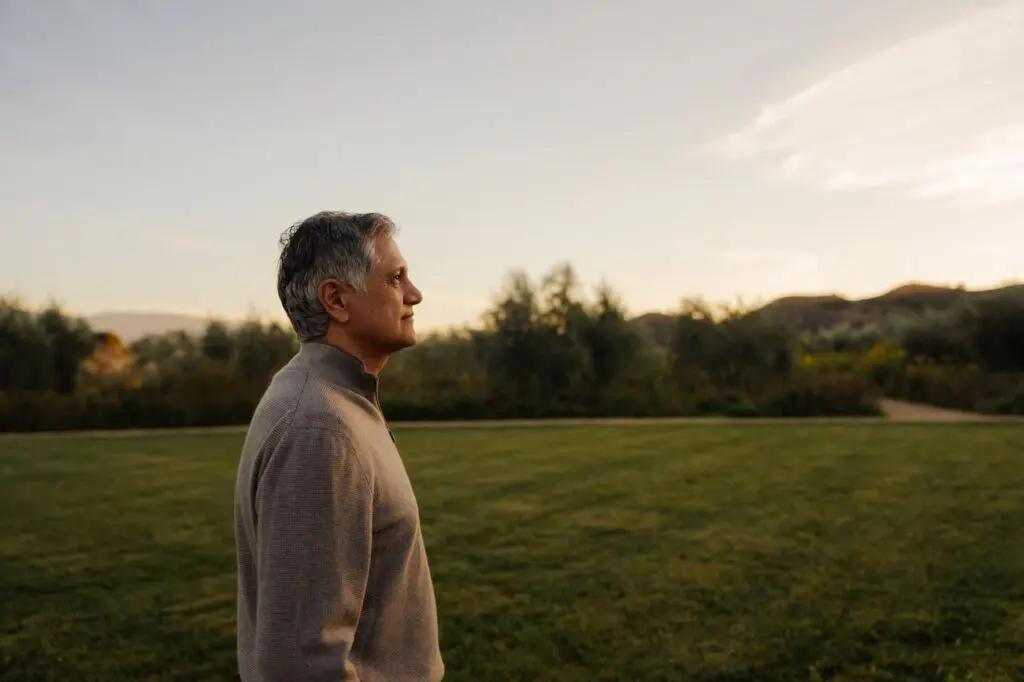
The Kiani Preserve is ultimately about preservation of land, agriculture, wildlife, community, and possibility. It is the product of Joe Kiani’s belief that great things are built not merely for today, but for future generations. Throughout the preserve, that vision is evident in the protected hillsides and valleys, the thriving wildlife, the regenerative agricultural practices, and the careful stewardship of an 8,000-acre ecosystem.
That same philosophy can be found in the vineyards, where Adam has built what is rapidly emerging as one of California’s most ambitious wine estates. The inaugural 2023 vintage represents the first public expression of this vision. Led by the Kiani Preserve Estate Cabernet Sauvignon, these wines offer a glimpse into the remarkable potential of both the preserve and the Figueroa Highlands.
In addition to his many past honors, Forbes named Joe Kiani one of the 250 Greatest Living Self-Made Americans in April 2026, a list recognizing entrepreneurs, innovators, and leaders whose vision has helped shape society. Yet perhaps his most personal legacy is taking shape among the hills of Santa Barbara County.
For those who secure an allocation, the debut release will mark more than the introduction of a new winery. It will offer a first look at a remarkable property, an ambitious vineyard, and a long-term vision that has been years in the making. If the early promise of the wines is any indication, Kiani Preserve is poised to become one of California wine’s most compelling new stories.

Don Sonderling is a freelance writer covering California’s Wine Country lifestyle, and culture. He and his wife are constantly sipping their way from Santa Barbara to Napa, focusing on Paso Robles and the Central Coast, where they have explored for about 25 years. Don has earned his WSET2 (Wine and Spirits Education Trust) certification, has completed the Bourgogne Masterclass through the Napa Valley Wine Academy, and is a member of the LA. Wine Writers.
Focusing on the people and unique experiences to be had, Don’s goal is to have people read about California’s amazing wine country adventures, seeing it through his eyes, and say: “I want to go there, try that, meet them,” and enrich the lives of others as his has been, by exploring California’s wine roads.