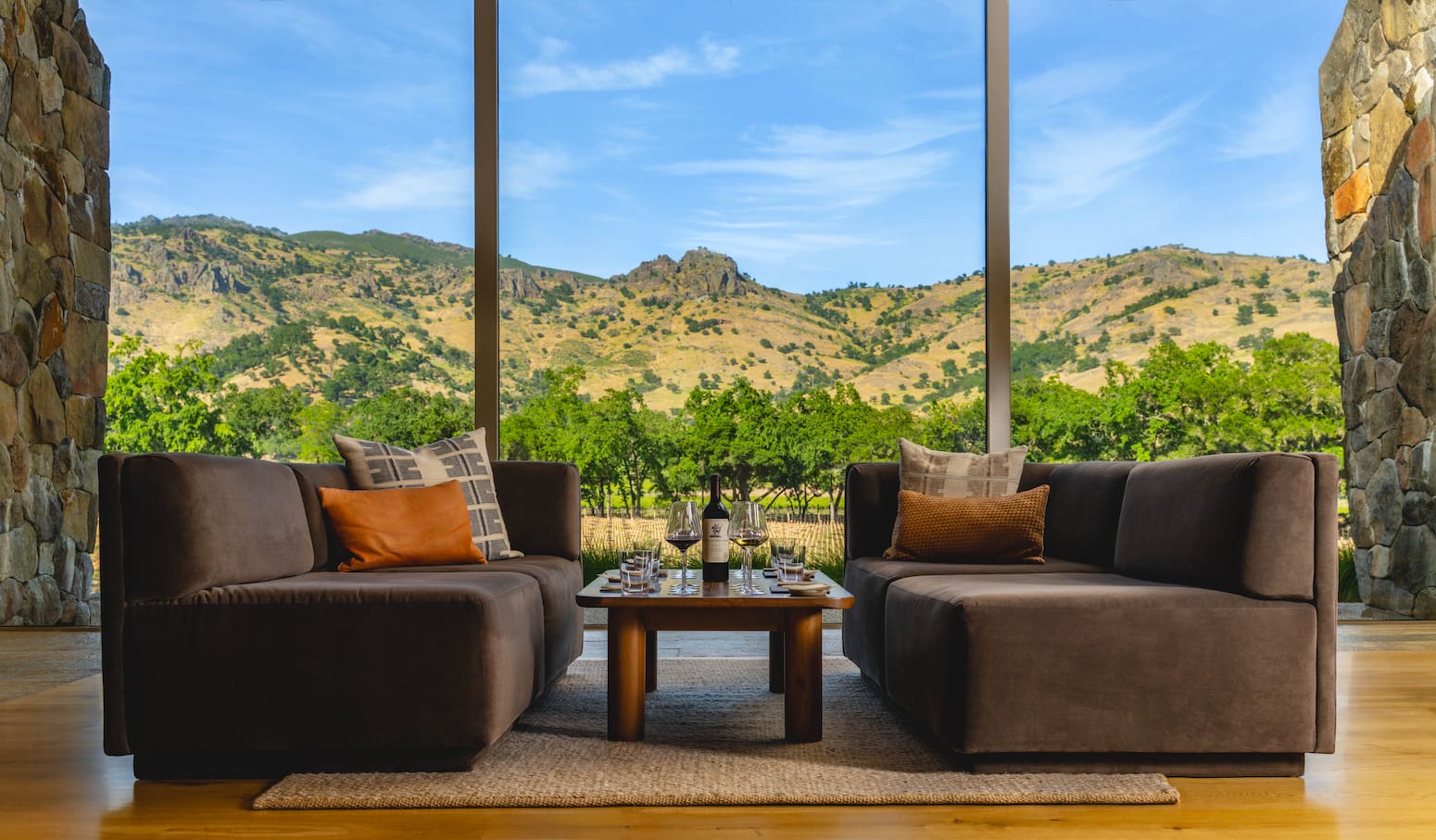
A Leap of Faith that Helped Put Napa on the Map
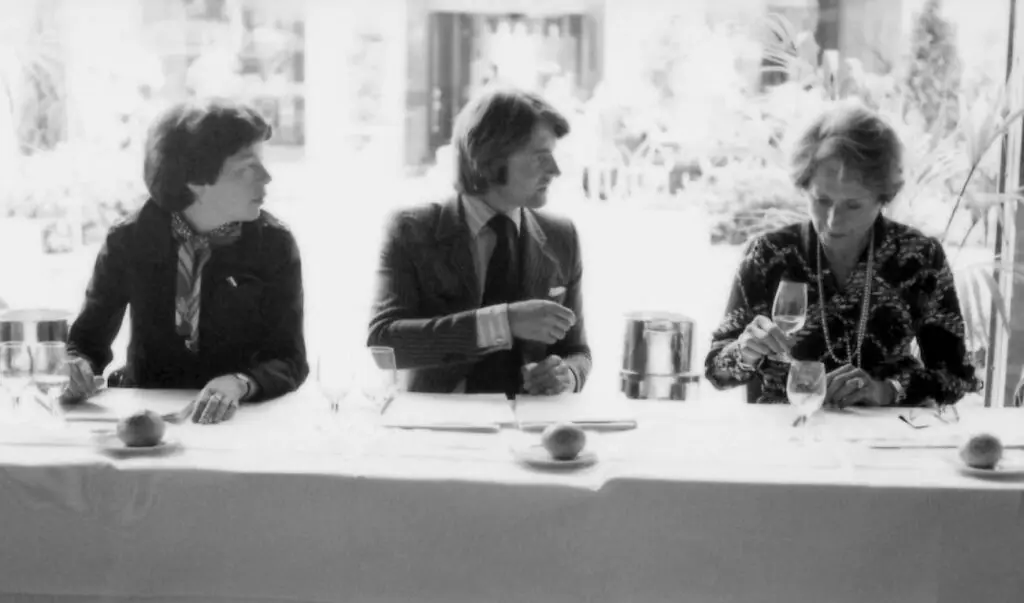
In 1976, just six years after founding Stag’s Leap Wine Cellars, Warren Winiarski helped change the course of American wine and put Napa Valley firmly on the world stage.
That was the year of the now-legendary Judgment of Paris, a blind tasting in which Stag’s Leap’s 1973 S.L.V. Cabernet Sauvignon outscored a formidable field of French Bordeaux to take first place. Napa’s Chateau Montelena Chardonnay claimed top honors in its category as well, besting a lineup of storied Burgundies. Wine would never be quite the same.
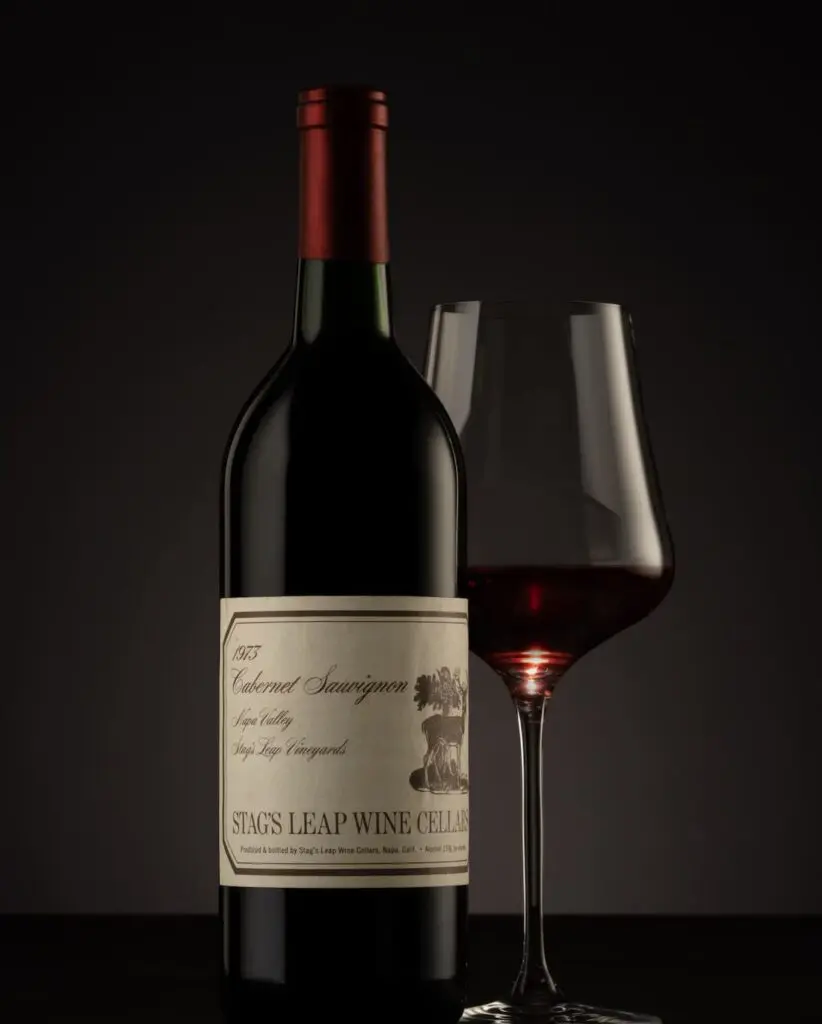
Winiarski’s path to that moment was already remarkable. In 1966, he was hired as the first head winemaker at the newly founded Robert Mondavi Winery, where he spent two formative years before setting out on his own. In 1970, he and several partners acquired a stretch of land in Napa Valley that would become Stag’s Leap Wine Cellars.
The 1973 S.L.V. Cabernet Sauvignon, only the winery’s second vintage, took first place at the 1976 Judgment of Paris, vaulting both Napa Valley and Warren Winiarski into the spotlight and proving that California could produce wines equal to the best in the world.
Visiting, Stepping into, and Tasting History
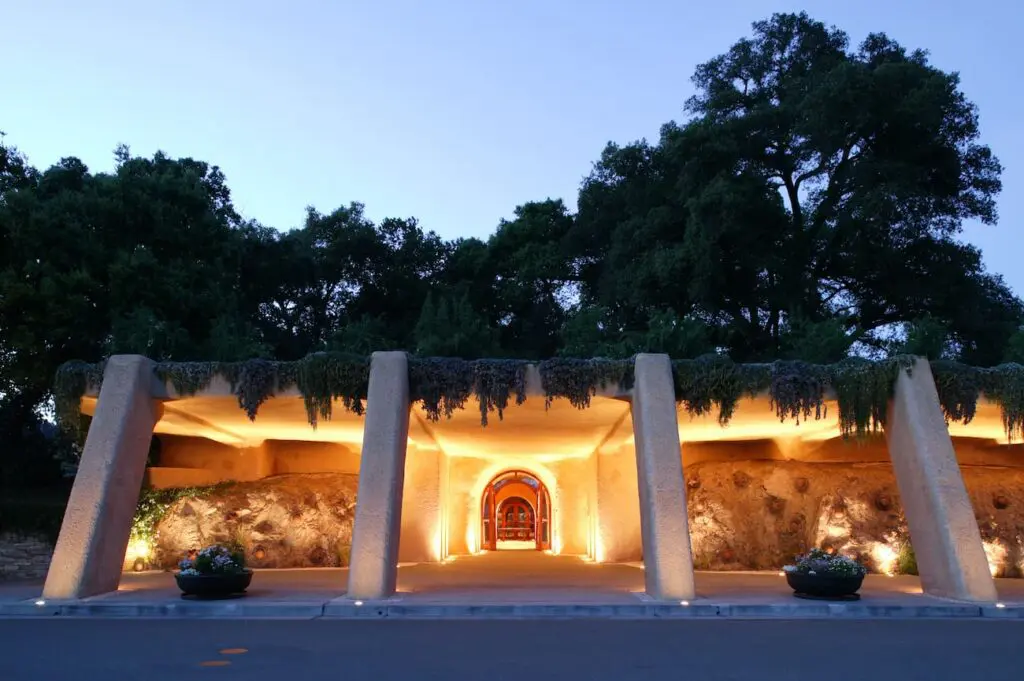
A visit to Stag’s Leap Wine Cellars is far more than a tasting appointment, though the wines alone will leave an impression you won’t soon forget.
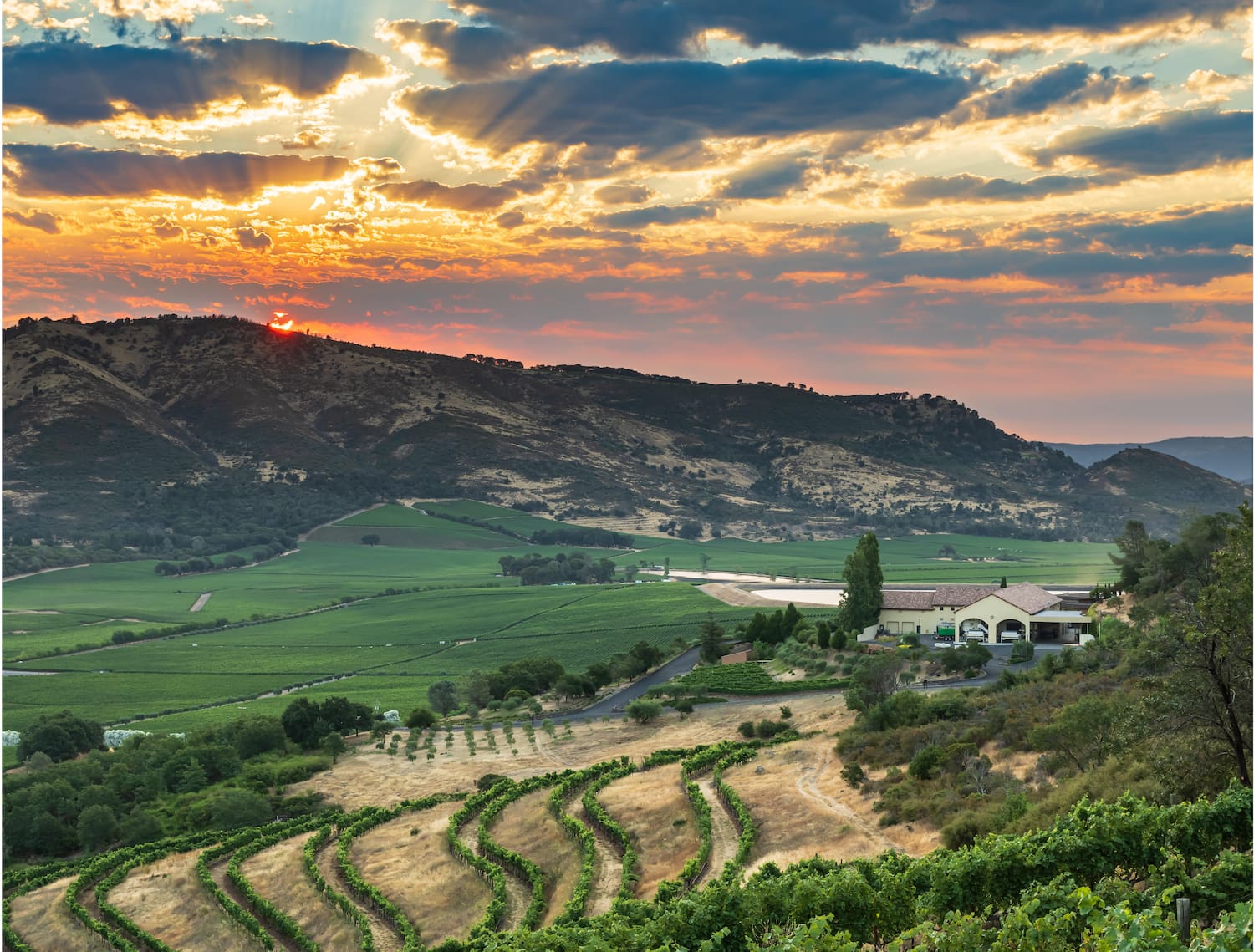
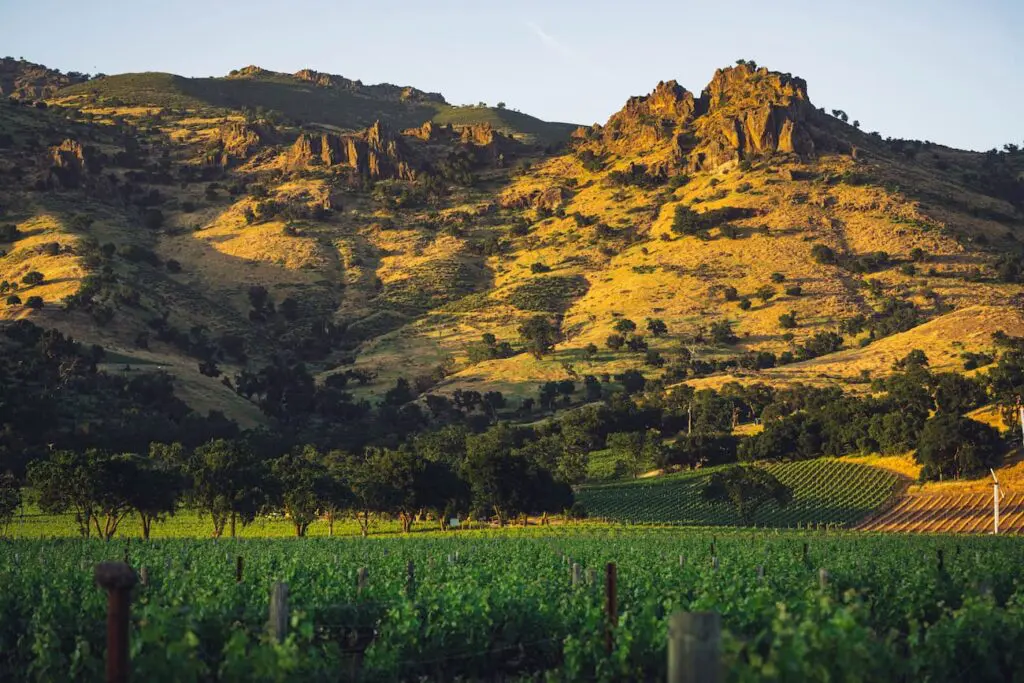
You never get a second chance to make a first impression, as the saying goes, and Stag’s Leap seems to have taken that to heart. Stepping out of the car, you’re immediately struck by the setting, with vineyards surrounding you and the winery just ahead. But it’s the history that makes a visit here different. As you tour the property and taste the wines, you’re walking through one of the chapters that helped make Napa Valley what it is today.
Even if you don’t yet know the story of the Judgment of Paris, you soon will. Among the first things on display are photographs from that fateful tasting, including Winiarski himself and Steven Spurrier, its organizer. The centerpiece, though, is a bottle of the 1973 S.L.V. that took first place. The original winning bottle resides at the Smithsonian, as does the original handwritten scorecard, a copy of which is displayed here.
Take a moment with it. This is the document that changed the way much of the wine world looked at Napa Valley. Seeing it here, at the winery responsible for the winning Cabernet, feels a little like a pilgrimage.
Taste the Land
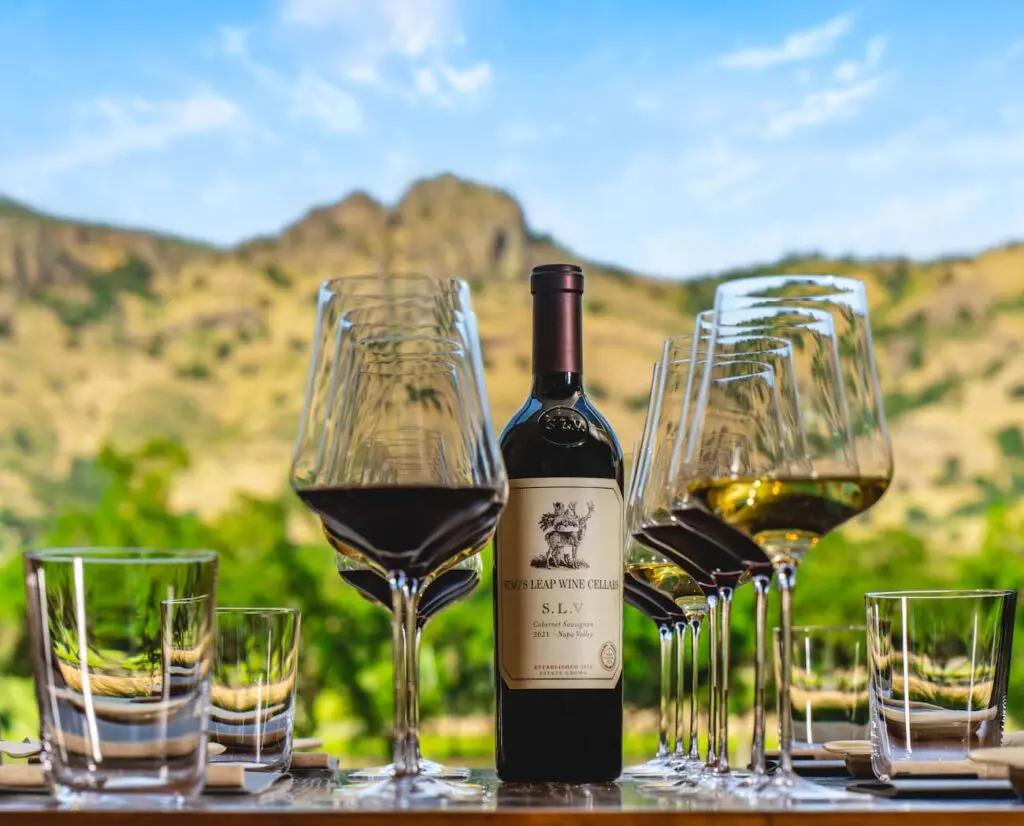
The S.L.V. bottling started it all, and in the decades since, Stag’s Leap Wine Cellars has built an enduring reputation for serious, Bordeaux-style wines. A visit here is your chance to taste several of them.
The “S.L.V.” designation refers to wines from the vineyard that produced the Cabernet Sauvignon that beat some of France’s most celebrated Bordeaux at the Judgment of Paris.
Then there is the FAY Vineyard. Planted in the early 1960s, it was the first Cabernet Sauvignon vineyard in what would later become the Stags Leap District AVA. Winiarski purchased it from Nathan Fay in 1986 and named it in his honor.
Tasted side by side, the wines from these two vineyards show just how much difference a few hundred yards can make. Cask 23, the estate’s flagship wine, is made from the finest lots from both vineyards.
Over the years, Stag’s Leap Wine Cellars has continued to earn its reputation, with the 2019 FAY Estate Cabernet Sauvignon and the 2021 Cask 23 Cabernet Sauvignon each receiving perfect 100-point scores.
S.L.V. and FAY are now two of Napa Valley’s most recognized vineyards, but tasting the wines together is a reminder that their reputations ultimately come down to what is in the glass.
And Now, to Tasting
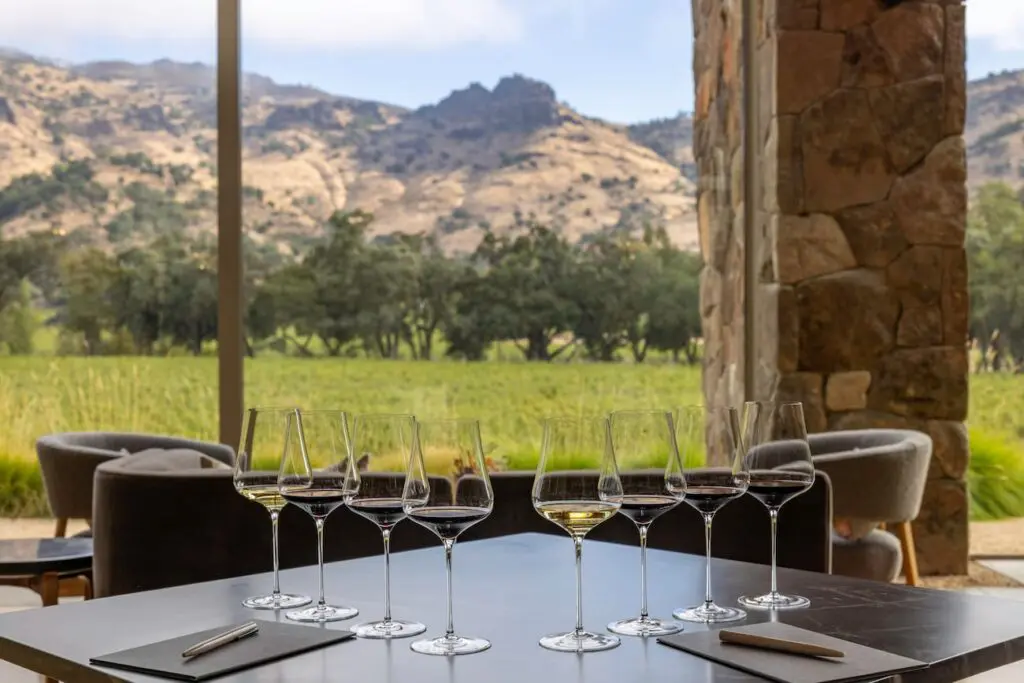
You’ll have a choice of several wine-tasting experiences, and each one comes with a story: the history of the winery, its place in Napa Valley, a walk through the terroir, and an explanation of how soil and barrel work together to shape what lands in your glass.
The gold standard among these is “The Collector’s Experience,” a tasting of four wines spanning some 25 years. It’s a chance to see how a wine changes with age and how different vintages, including wetter and drier growing seasons, show themselves years later in the glass. That’s what makes tasting, and drinking, wine such a pleasure.
There is another part of the story here, and it begins in the vineyard.
In 2024, Stag’s Leap earned Regenerative Organic Certified® status, a designation with standards covering soil health, animal welfare, and social fairness. For a winery whose identity has always been so closely tied to its vineyards, it feels like a natural extension of that history.
As Marcus Notaro, Stag’s Leap’s VP of winemaking, puts it: “Our responsibility begins in the vineyard and carries all the way into the glass.”
It’s a simple way of explaining an approach that touches everything from how the vineyards are farmed to how the wines are made.
WARREN WINIARSKI AND PIERO ANTINORI
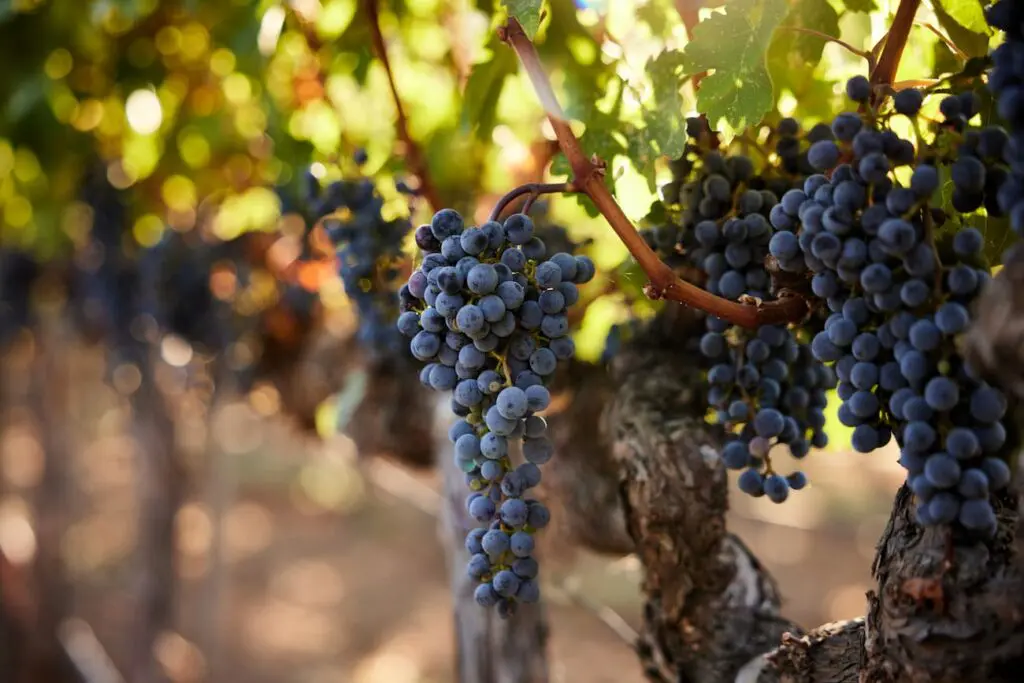
In the years following the Judgment of Paris, Stag’s Leap’s reputation continued to grow under Warren Winiarski’s leadership. About fifteen years after the winery’s founding, he met Piero Antinori, head of the Italian winemaking family whose history stretches back more than six centuries.
The two men found they had much in common. Napa reminded Antinori of his own Italian terroir, and he eventually purchased vineyard land here to extend his family’s winemaking into the New World. Over the years, as both Stag’s Leap and Antinori grew, so did the friendship between the two men.
After nearly forty years at the helm, Winiarski decided to step back. In 2007, Stag’s Leap Wine Cellars was sold to a partnership between Ste. Michelle Wine Estates in Washington State and the Antinori family. Sixteen years later, Antinori acquired the remaining shares and took full ownership of Stag’s Leap Wine Cellars in 2023.
Warren Winiarski passed away in June 2024 at the age of 95. The winery he founded more than half a century earlier is now in the hands of a family with more than six centuries of winemaking behind it.
Piero Antinori honors both his friend and the winery in a single thought: “Stag’s Leap Wine Cellars holds a unique place in the history of Napa Valley and American wine. Our role is to honor what was built here while ensuring the estate continues to grow stronger over time. We are committed to protecting its identity and guiding it for future generations.”
This is the story you follow when you visit Stag’s Leap Wine Cellars: Winiarski’s start as a young winemaker at Robert Mondavi, his decision to strike out on his own, the vineyard that produced the Cabernet Sauvignon that shocked the wine world in Paris, and a friendship with Piero Antinori that would eventually help determine the winery’s future.
CELEBRATING THE JUDGMENT OF PARIS
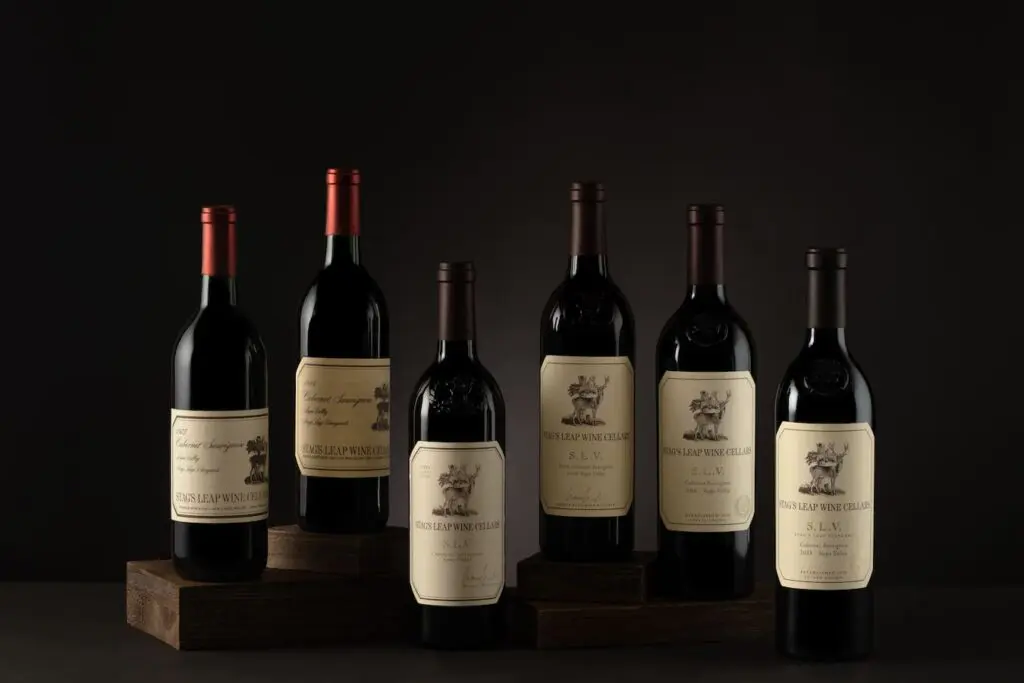
This year, Stag’s Leap Wine Cellars is celebrating the 50th anniversary of the Judgment of Paris with a series of events honoring Warren Winiarski, the House of Antinori, and the wineries that took part in the historic tasting.
October 10: Judgment of Paris 50th Anniversary Winemaker Dinner
Winemakers and principals from eight of the ten wineries that took part in the Judgment of Paris will come together for what promises to be a remarkable dinner.
October 11: Judgment of Paris Immersive Tasting Experience
A rare opportunity to taste wines from eight of the ten wineries that participated in the Judgment of Paris.
November 14: Estate Master Class, S.L.V. Retrospective Tasting
The Stag’s Leap Estate Team will guide guests through library vintages from S.L.V., the vineyard behind the Cabernet Sauvignon that placed first at the Judgment of Paris. For serious wine and history lovers, this is one not to miss.
As we celebrate Warren Winiarski, Piero Antinori, and the 50th anniversary of the Judgment of Paris, it seems only right to raise a glass.
Fifty years later, what happened in Paris remains one of the great stories in American wine. And perhaps the best place to understand why is here, with a glass of Stag’s Leap in hand.
Related reading: Antinori Napa Valley and A Sommelier’s Perspective: Tasting Antinori Napa Valley

Don Sonderling is a freelance writer covering California’s Wine Country lifestyle, and culture. He and his wife are constantly sipping their way from Santa Barbara to Napa, focusing on Paso Robles and the Central Coast, where they have explored for about 25 years. Don has earned his WSET2 (Wine and Spirits Education Trust) certification, has completed the Bourgogne Masterclass through the Napa Valley Wine Academy, and is a member of the LA. Wine Writers.
Focusing on the people and unique experiences to be had, Don’s goal is to have people read about California’s amazing wine country adventures, seeing it through his eyes, and say: “I want to go there, try that, meet them,” and enrich the lives of others as his has been, by exploring California’s wine roads.